What does a second home actually feel like once the novelty wears off? In Montecito, the answer is less about constant activity and more about ease, privacy, and rhythm. If you are considering a seasonal home on the South Coast, this is where you can understand how Montecito supports a refined, livable pattern of ownership, from quiet mornings outdoors to polished evenings close to home. Let’s dive in.
Montecito Offers a Different Coastal Pace
Montecito is not a conventional beach town. According to the Montecito Community Plan, it is an unincorporated community of roughly 13 square miles shaped by a semi-rural, low-density coastal character.
That distinction matters when you are buying a second home. Rather than a dense, high-traffic setting, Montecito is known for narrow roads, limited commercial and resort uses, walking and riding trails, uncrowded beaches, and a wide range of home sizes and architectural styles.
For many second-home owners, that creates the right balance. You get access to coastal living and high-touch amenities, but the daily experience still feels residential, private, and grounded.
Second-Home Living Starts Outdoors
One of Montecito’s strongest lifestyle advantages is how naturally the day begins outside. The climate supports a routine built around beach walks, hiking, gardens, and time in the open air.
Beach Mornings in Montecito
Butterfly Beach is a local favorite, and its east-west orientation makes it especially appealing for sunrise and sunset walks. If you want a shoreline experience that feels more tucked away, Miramar Beach offers a narrower, more secluded setting with public access from the Eucalyptus Lane path.
For a second-home owner, this kind of access changes how you use the property. Even a short stay can feel restorative when your morning routine starts with the ocean rather than a packed schedule.
Inland Trails and Garden Time
The Santa Barbara Botanic Garden, just inland, offers 78 acres and six miles of trails. In the hills above Montecito, hiking becomes part of a regular rhythm rather than a special outing.
That is one reason Montecito works so well as a seasonal home base. You do not need an elaborate plan to enjoy the area. The landscape itself supports a calm, repeatable lifestyle that still feels elevated.
Midday Life Blends Wellness and Service
By late morning, Montecito’s second-home pattern often shifts from nature to wellness, dining, or club time. This is where the community’s high-service side becomes more visible.
Club and Social Options
Coral Casino Beach and Cabana Club describes itself as Montecito’s premier social club on Butterfly Beach. Rosewood Miramar Beach’s Miramar Club is a private social club with concierge service, athletic and spa facilities, and curated programming.
For buyers exploring Montecito as a second-home market, these offerings help complete the ownership story. The appeal is not only the home itself, but also the ability to step into a polished routine without leaving the area.
Spa and Fitness Access
Sense, A Rosewood Spa expands the wellness experience with treatments inspired by local plant traditions. It also offers yoga, Pilates, beach boot camp, and stand-up paddleboard yoga, adding variety for owners who want health and leisure close at hand.
This kind of convenience matters for seasonal use. When your time in town is limited, nearby wellness and hospitality options can make short stays feel fuller and more seamless.
Dining Stays Close to Home
A strong second-home market usually depends on more than scenery. It also needs enough nearby dining to make everyday living easy and enjoyable.
Montecito delivers that in a compact format. Rosewood Miramar Beach includes Caruso’s and The Revere Room, while San Ysidro Ranch offers Stonehouse and The Speakeasy in the foothills.
For more casual or everyday dining, Coast Village Road serves as a neighborhood-scale restaurant corridor. That gives you range without asking you to build every day around a long drive or a full itinerary.
Culture Adds Depth to Seasonal Ownership
Montecito may feel quiet, but it is not one-dimensional. For second-home owners, that is an important difference.
Montecito Cultural Landmarks
Lotusland spans 37 acres in the hills of Montecito and requires advance reservations because it sits within a residential neighborhood. Casa del Herrero, Montecito’s only National Historic Landmark, operates as a historic house museum and garden.
The Santa Barbara Botanic Garden adds another layer with native-plant trails and elevated inland views. These places give the area texture and repeat value, especially for owners who return often and want more than a resort routine.
Nearby Santa Barbara Access
Santa Barbara expands the cultural field without changing the ease of ownership. In the Funk Zone, you will find a walkable concentration of restaurants, breweries, wine tasting rooms, galleries, and MOXI.
The Santa Barbara Bowl remains a major live-music venue. For second-home owners, this nearby access helps Montecito feel complete without losing its quieter residential identity.
Montecito Feels Like a Real Community
For many buyers, one of Montecito’s biggest strengths is that it has a local calendar and civic identity. It does not function only as a place for hotel stays or occasional visitors.
The Montecito Association emphasizes preserving the area’s semi-rural residential character and supports annual traditions such as the Village 4th of July Celebration, Beautification Day, and the Holiday Magic Parade. For seasonal owners, that helps create a sense of continuity from one visit to the next.
If you plan to use a home throughout the year, even intermittently, that community texture matters. It gives your time in Montecito a steadier frame and makes repeat ownership feel more personal.
Homes Match Different Second-Home Styles
The housing stock helps explain why Montecito attracts a broad second-home audience. The Montecito Community Plan highlights low-density residential development along with diversity in housing, architecture, landscaping, and property sizes.
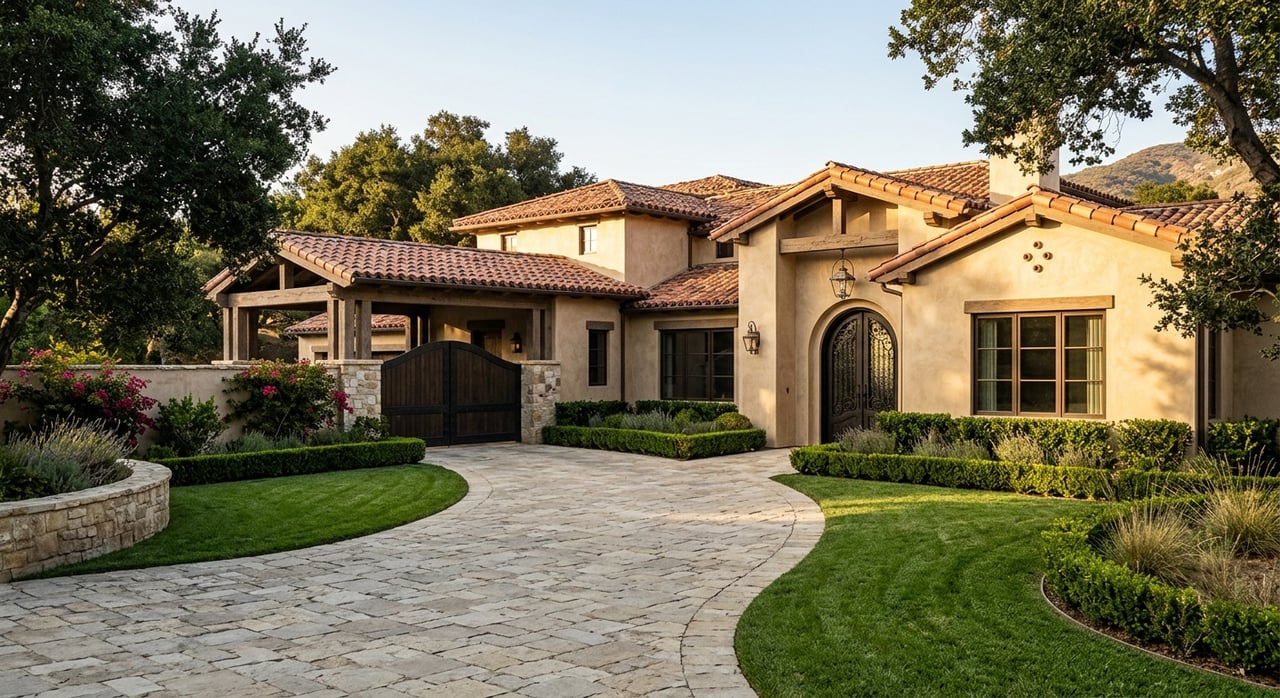
That creates a market with more than one entry point in lifestyle terms. Some buyers may want a lower-maintenance villa or condo-style residence near the village, while others may be drawn to larger private compounds or legacy estates in the foothills.
Recent market reporting also supports the presence of a real second-home segment. Year-end 2025 reporting placed Montecito’s median price at $6.192 million, up 6.3% year over year, while Q3 2025 brokerage reporting showed condos accounted for 20% of Montecito sales.
For a luxury buyer, that mix is meaningful. It suggests Montecito can support both lock-and-leave ownership and more expansive estate living, depending on how you plan to use the property.
Access Makes Weekend Use Realistic
A second home has to be enjoyable, but it also has to be usable. Montecito benefits from being a retreat without feeling isolated.
Rosewood Miramar Beach states that the property is about 80 miles north of Los Angeles. San Ysidro Ranch notes that Santa Barbara Airport is about 20 to 25 minutes away by car and within 15 miles of the property.
For Los Angeles buyers, that supports a strong weekend pattern. For Bay Area buyers, it reinforces Montecito’s role as a polished destination with air access and enough nearby lifestyle infrastructure to justify regular use.
What Montecito Living Really Looks Like
The clearest way to think about Montecito is this: it offers a high-service residential setting within a private coastal landscape. You can start the day with a beach walk or hillside trail, shift into spa or club time, have lunch on Coast Village Road, spend the afternoon at a garden or in nearby Santa Barbara, and finish with dinner close to home.
That is why Montecito resonates with second-home buyers who want more than a beautiful address. It offers enough dining, wellness, outdoor access, and cultural depth to make seasonal ownership feel easy, complete, and worth returning to throughout the year.
If you are considering Montecito as a second-home market, working with a team that understands luxury positioning, lifestyle fit, and the nuances of Santa Barbara’s high-end inventory can help you evaluate the right opportunity with clarity and discretion. To start a private conversation, connect with Neyshia Go.
FAQs
What is Montecito like for second-home owners?
- Montecito offers a semi-rural, low-density coastal lifestyle with uncrowded beaches, outdoor recreation, nearby dining, wellness options, and access to Santa Barbara cultural amenities.
What kinds of second homes are available in Montecito?
- Montecito includes a range of housing types and property sizes, from lower-maintenance villa or condo-style homes to larger private compounds and foothill estates.
What outdoor activities are common in Montecito?
- Many owners build their routine around Butterfly Beach, Miramar Beach, hillside hiking, and visits to the Santa Barbara Botanic Garden.
What makes Montecito different from a typical beach town?
- Montecito is defined by its residential, semi-rural character, with narrow roads, limited commercial uses, walking and riding trails, and a quieter overall pace.
Is Montecito practical for Los Angeles second-home buyers?
- Yes. Research cited here notes Montecito is about 80 miles north of Los Angeles, which supports a realistic weekend or short-stay ownership pattern.
Does Montecito offer enough to do for repeat visits?
- Yes. In addition to beaches and wellness amenities, owners have access to Lotusland, Casa del Herrero, the Santa Barbara Botanic Garden, nearby dining, the Funk Zone, and the Santa Barbara Bowl.