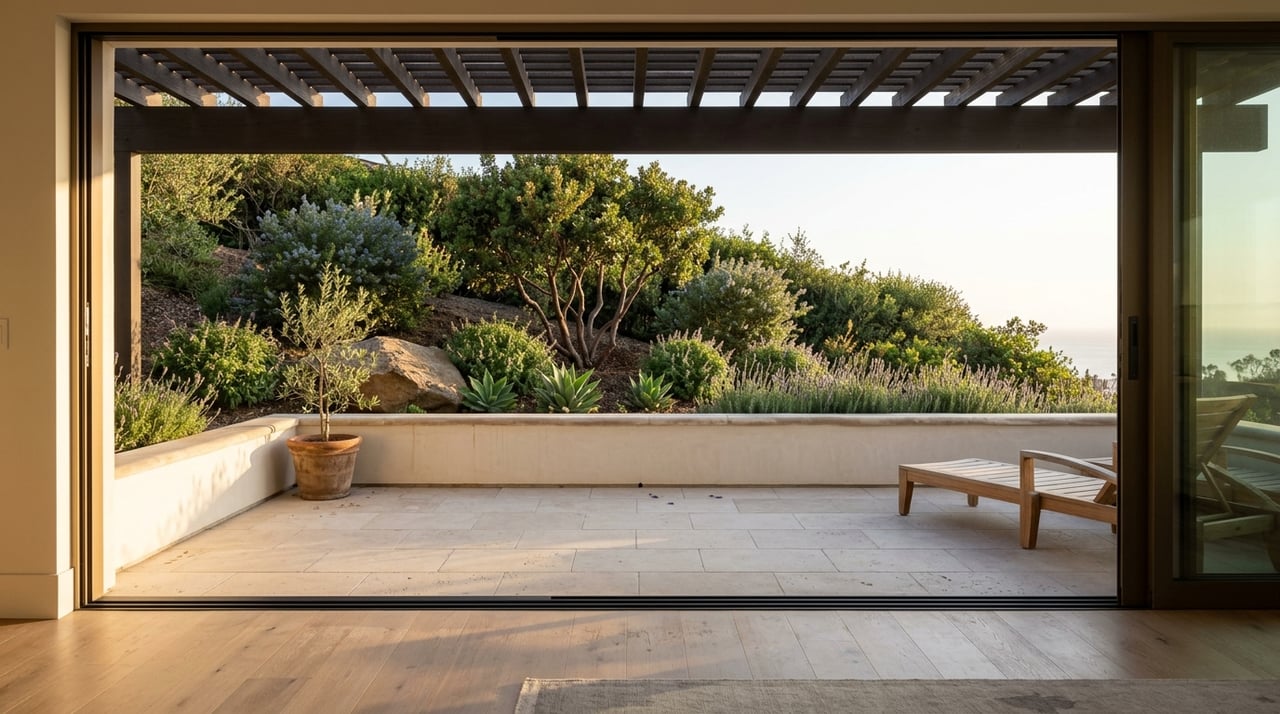
Choosing between Malibu beachfront and a hillside estate is not just about style. It is about how you want to live, what risks you are willing to manage, and what kind of luxury asset you want to hold over time. If you are weighing both options, Malibu’s market rewards a more precise view than the broad labels suggest. This guide breaks down pricing, privacy, regulations, maintenance, and resale considerations so you can evaluate which setting fits your goals best. Let’s dive in.
Why Malibu Is a Micro-Market
In Malibu, the setting often matters as much as the address itself. The city and the California Coastal Commission identify distinct shoreline segments, and Malibu’s public-access maps show accessways in places such as Malibu Road, Broad Beach Road, Malibu Colony Drive, and Carbon Beach.
That matters because Malibu does not function like one uniform luxury market. Point Dume, Carbon Beach, Broad Beach, Serra Retreat, Birdview, and canyon or hillside areas can perform very differently in price, buyer demand, and lifestyle feel.
Beachfront vs Hillside at a Glance
At the highest level, beachfront homes tend to deliver direct sand access, whitewater views, and the strongest scarcity premium. Hillside and canyon estates often offer more privacy, larger sites, broader view lines, and more flexibility in how an estate is planned.
The better choice depends on your priorities. If your thesis is direct-ocean rarity, beachfront and bluff-side properties usually lead. If your thesis is privacy, scale, and a more secluded estate experience, hillside properties often make more sense.
Coastal Rules Shape the Asset
Beachfront and bluff-top rules
All of Malibu sits within California’s coastal zone, and Malibu’s Local Coastal Program governs development throughout the city. For shoreline and bluff-top parcels, the review process must address public access, shoreline sand supply, geologic stability, and hazard exposure.
For bluff-top homes, setbacks must account for geologic risk over the life of the structure. The Local Coastal Program also states that bluff faces generally cannot contain permanent structures, except engineered access stairways for public beach access.
On ocean-side parcels such as Malibu Road, Broad Beach Road, Birdview Avenue, and Cliffside Drive, new development must also protect public ocean views. In practical terms, that can affect massing, placement, and how future changes are designed.
Hillside design logic
Hillside properties follow a different planning approach. Malibu’s Local Coastal Program encourages split-level and terraced forms, places taller elements near the center or uphill side of a structure, and favors roads and driveways that follow natural topography when feasible.
For luxury buyers, that often translates to more room for architectural expression. You may see stronger compound potential, layered outdoor spaces, and more flexibility in how structures sit across the site, though slope stability, drainage, grading, and emergency access still remain central issues.
Pricing Tells a Clear Story
Malibu’s broad market remains expensive, but recent numbers show a market where selectivity matters. Over the three months ending May 2026, Malibu’s median sale price was $4.816 million, median days on market were 92, and the average sale-to-list ratio was 94.6 percent.
At the same time, Point Dume posted a median sale price of $14.0 million over that recent period, with average days on market of 83.5. That gap alone shows how quickly values can change by micro-location.
Public sales snapshots
Recent public sales illustrate how setting can reshape value:
- 26822 Malibu Cove Colony Dr sold in March 2025 for $12.0 million. The property was described as beachfront with about 50 feet of sandy beach frontage and 4,278 square feet.
- 31346 Broad Beach Rd sold for $12.281 million. It was described as a nearly 6,000-square-foot Mediterranean home with 48 feet of ocean frontage.
- 5046 Carbon Beach Ter sold in July 2024 for $32.0 million, reinforcing Carbon Beach’s position in Malibu’s trophy tier.
- 3609 Serra Rd in Serra Retreat sold in March 2025 for $5.55 million and was marketed as an ocean-view rustic modern farmhouse.
- 7360 Birdview Ave sold in February 2026 for $6.342 million for a 4-bedroom, 4-bath home of 3,372 square feet.
- 5815 Ramirez Canyon Rd sold in June 2023 for $4.525 million on a 2.03-acre site, showing how canyon and hillside settings can trade at very different levels from direct ocean frontage.
- 28823 Cliffside Dr sold in June 2026 for $28.5 million after 41 days on market and at 17 percent below ask.
The takeaway is clear. Beachfront often commands the highest scarcity premium, but exact frontage, lot position, view corridor, privacy, and pricing discipline all influence where a property ultimately trades.
Privacy and Daily Lifestyle
What beachfront living feels like
Beachfront ownership gives you the strongest connection to the shoreline. If your ideal day includes stepping directly onto the sand, watching the tide from your main living spaces, and prioritizing that immediate ocean experience, beachfront can be hard to match.
That said, Malibu’s public-access framework is part of the local landscape. Public-access maps and coastal planning documents show accessways, paths, trails, and overlooks in several shoreline areas, so beachfront ownership can come with more visibility and a different sense of exposure than some buyers expect.
What hillside living feels like
Hillside and canyon estates often create privacy through elevation, setbacks, gates, and larger site planning. For buyers who value retreat, quiet, and separation, that can be a major advantage.
The tradeoff is convenience. Your beach routine is usually less spontaneous, and access to the shoreline often involves getting in the car rather than walking out your back door.
Views and Estate Design
Beachfront homes center on direct ocean, sand, and whitewater views. The experience is immersive and immediate, which is part of why this category attracts such a strong premium.
Hillside homes often offer a broader visual experience. Depending on the site, you may capture ocean, canyon, and mountain views at once, with more opportunities for terraces, guest accommodations, and compound-style planning.
Even so, both categories still operate within Malibu’s coastal design rules. Where public views or sensitive coastal resources are affected, lower-profile forms and disciplined massing often remain part of the conversation.
Ownership Burden and Risk Profile
Beachfront maintenance and hazards
Beachfront homes deliver an exceptional lifestyle, but they also carry a heavier maintenance burden. Salt spray and onshore conditions can accelerate corrosion of metal connectors and fasteners in coastal environments, which can affect long-term upkeep.
Malibu’s coastal rules also place real weight on erosion, bluff stability, and shoreline management. For some buyers, that is an acceptable trade for direct-ocean ownership. For others, it is a factor that shifts attention toward hillside or canyon alternatives.
Hillside wildfire and slope management
Hillside homes exchange coastal wear for a different set of responsibilities. CAL FIRE identifies defensible space and home hardening as the first line of defense against wildfire, and Malibu states that all properties are in a Very High Fire Hazard Severity Zone.
The city also notes that sold properties are subject to AB 38 defensible-space inspections and that Malibu runs an annual defensible-space inspection program through Los Angeles County Fire. On hillside sites, slope stability, drainage, and access also remain important parts of ownership.
Resale and Liquidity in Malibu
If you care about future resale, Malibu should be viewed as a collection of micro-markets. Citywide, the market was in buyer’s-market territory in May 2026, with median days on market at 92 and average sale prices roughly 5 percent below list.
Yet top pockets can still move at a different pace and price point. Point Dume’s recent median sale price of $14.0 million and shorter average days on market show that select submarkets can behave very differently from the citywide average.
Recent trophy sales also suggest that pricing discipline matters at every level. The June 2026 sale of 28823 Cliffside Dr at 17 percent below ask is a strong reminder that even marquee properties can face meaningful negotiation when initial pricing outruns the market.
Which Malibu Luxury Property Fits You Best
Beachfront may fit you if you want:
- Direct sand-front living
- The strongest scarcity premium
- Immediate whitewater and shoreline views
- A legacy-style Malibu holding with trophy appeal
Hillside may fit you if you want:
- More privacy and separation
- Larger grounds or acreage
- Greater compound potential
- Layered ocean, canyon, or mountain views
- More flexibility in site planning and outdoor living
The Smartest Way to Compare Both
When you tour Malibu, compare properties by micro-location first and property type second. A Broad Beach oceanfront home, a Carbon Beach trophy asset, a Point Dume bluff-side property, and a canyon estate may all sit under the Malibu umbrella, but they can behave like very different assets.
It also helps to assess each home through two lenses at once. One is lifestyle fit, meaning how the home works for your routine, privacy preferences, and view priorities. The other is asset fit, meaning pricing discipline, maintenance burden, and long-term resale behavior within that exact pocket of Malibu.
In a market this nuanced, the best purchase is rarely the one that sounds most impressive in a headline. It is the one that best aligns with how you want to live and how you want your capital positioned.
If you are considering Malibu beachfront or hillside estates, a precise, discreet strategy matters. To evaluate the right micro-market, pricing framework, and acquisition path, connect with Neyshia Go.
FAQs
What is the main difference between Malibu beachfront and hillside estates for luxury buyers?
- Beachfront homes usually offer direct sand access and the highest scarcity premium, while hillside estates often provide more privacy, larger sites, and greater flexibility in estate planning.
How do Malibu coastal rules affect beachfront luxury homes?
- Malibu’s Local Coastal Program requires shoreline and bluff-top development to address public access, geologic stability, hazard exposure, shoreline sand supply, and protection of public ocean views in certain ocean-side areas.
Are hillside estates in Malibu easier to design than beachfront homes?
- Hillside sites can allow more architectural expression through split-level and terraced design, but they still require careful planning around slope stability, drainage, grading, and emergency access.
How expensive is Malibu compared with top submarkets like Point Dume?
- Over the three months ending May 2026, Malibu’s median sale price was $4.816 million, while Point Dume’s median sale price was $14.0 million over the same recent period.
What ownership risks should luxury buyers consider in Malibu?
- Beachfront homes can face corrosion, erosion, and shoreline-related issues, while hillside homes often require attention to wildfire preparedness, defensible space, slope management, and drainage.
Is Malibu a strong resale market for luxury real estate?
- Malibu resale performance varies by micro-location, with citywide median days on market at 92 in May 2026, while select luxury pockets such as Point Dume have shown different pricing levels and sales pace.
Should you buy beachfront or hillside in Malibu as a second-home buyer?
- If your priority is direct-ocean living and trophy scarcity, beachfront may be the better fit. If you value privacy, larger grounds, and more secluded estate living, hillside may be the stronger choice.