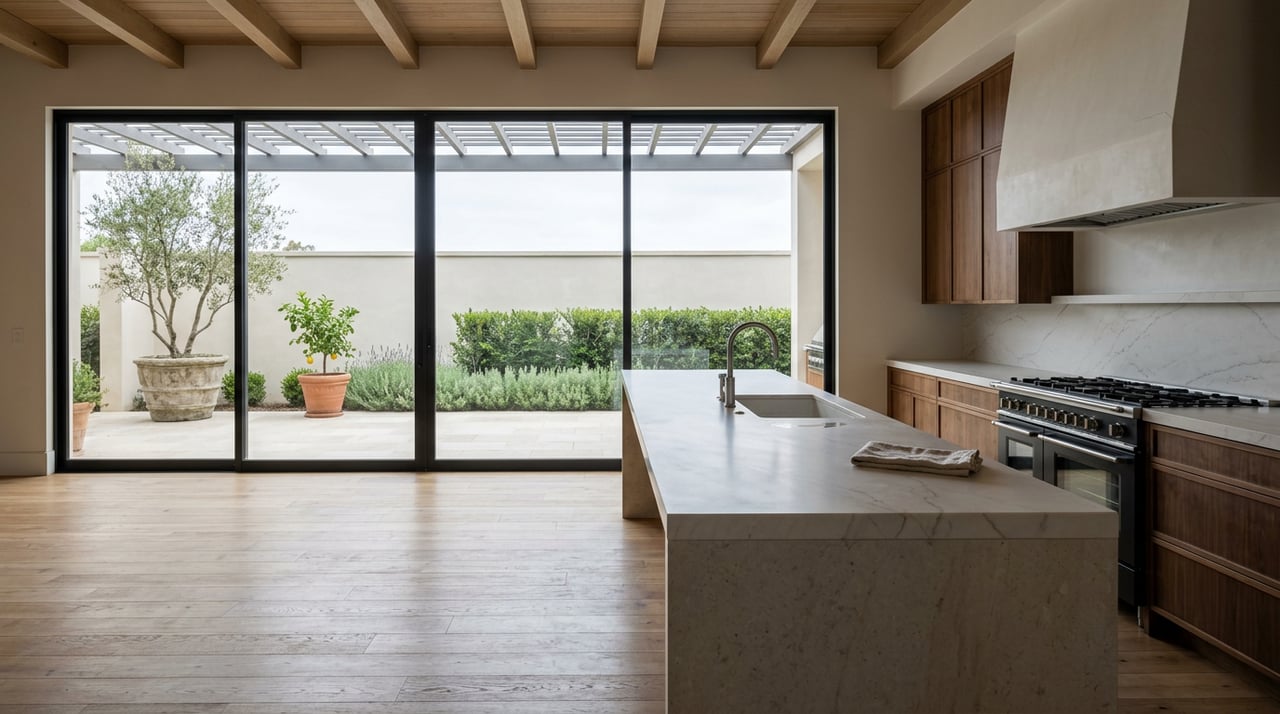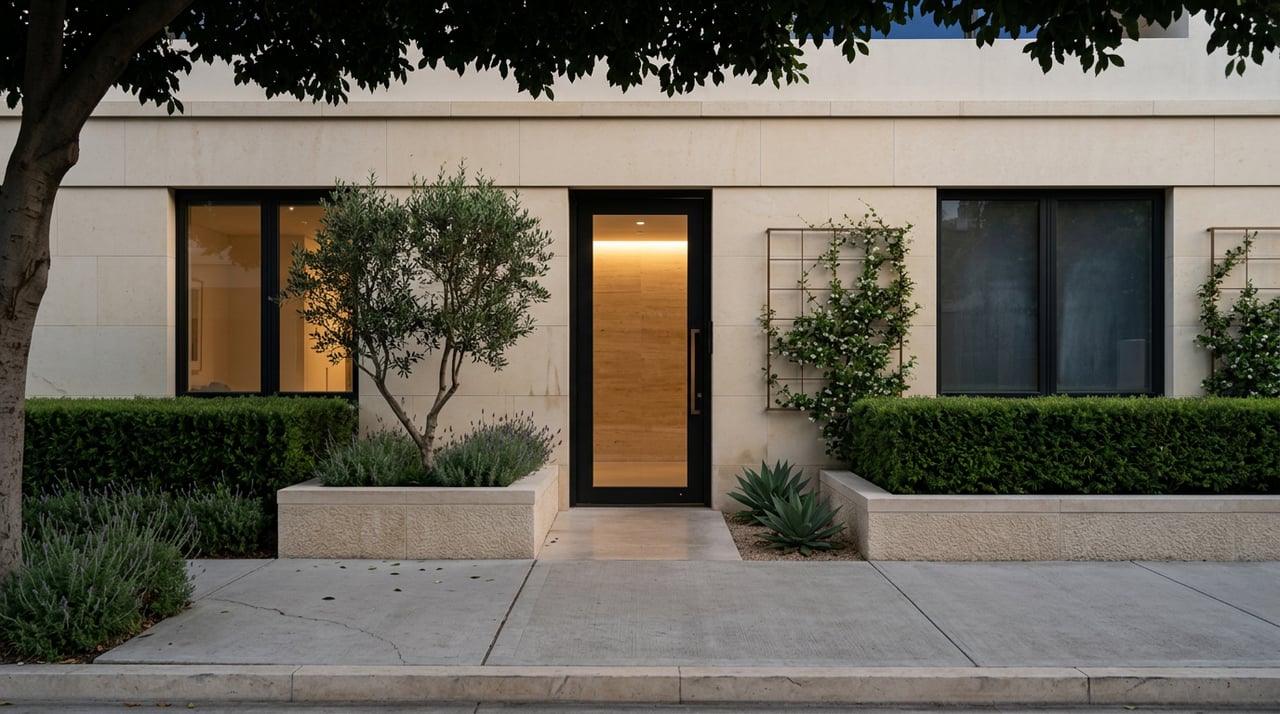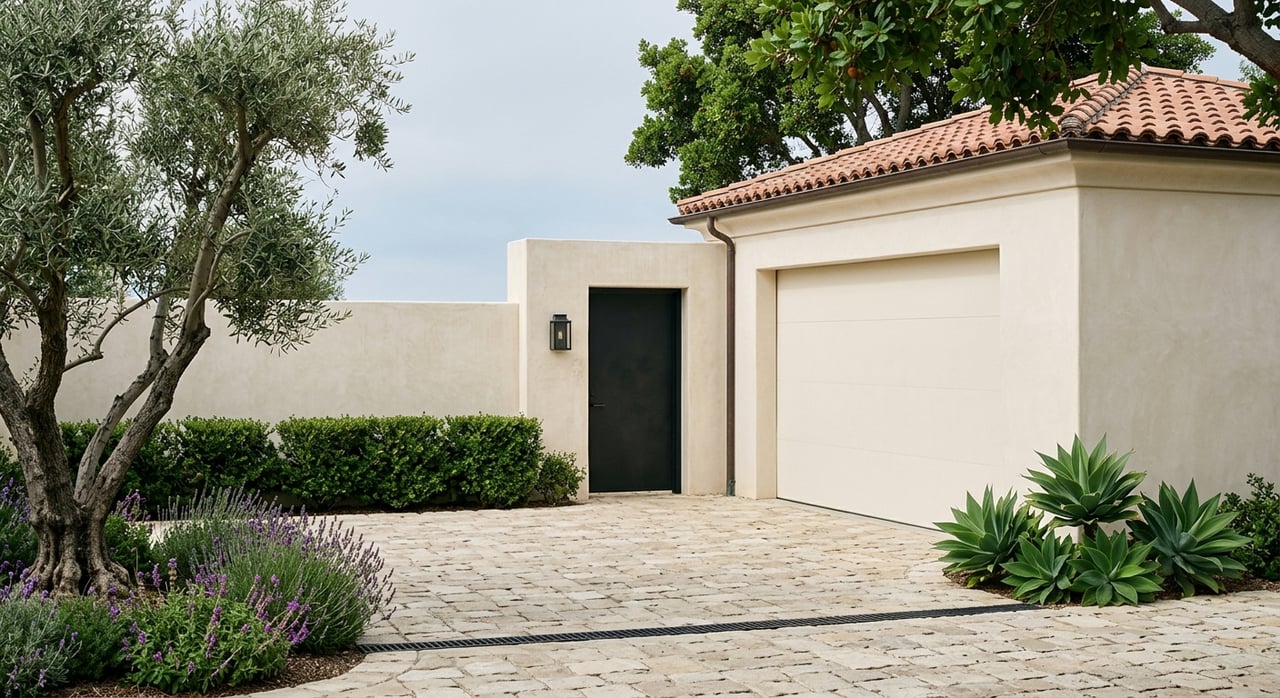
If you are considering a Malibu luxury rental, the view is only part of the equation. In Malibu, premium rents can be compelling, but your rental strategy also needs to fit a city framework shaped by short-term rental rules, coastal oversight, septic requirements, and, in some cases, HOA limits. Understanding where pricing opportunity meets compliance can help you avoid delays, protect income expectations, and make better decisions from the start. Let’s dive in.
Malibu rental economics
Malibu remains one of California’s highest-priced rental markets, but it is not a simple plug-and-play income story. According to Zillow’s Malibu rental market trends, average rent is about $17,950, with a broad range of active listings in the market. That spread matters because it shows how much pricing can vary by location, property type, size, and lease strategy.
Other listing snapshots point in a similar direction. The research shows Realtor.com placed Malibu’s median rent near $20,000, while current listings ranged from smaller homes and units under $5,000 per month to ultra-luxury offerings at $100,000 per month. For you as an owner, buyer, or investor, that means headline pricing should be treated as directional, not as a guaranteed underwriting benchmark.
For short-term rental models, the revenue picture can look attractive on the surface. Rabbu’s Malibu Airbnb data estimates an average daily rate of $805, 30% occupancy, and seasonalized annual revenue around $98,625. The takeaway is clear: Malibu can command premium nightly pricing, but occupancy and regulation can have a major impact on actual performance.
Why the 30-day rule matters
In Malibu, one of the most important lines is the city’s 30-day threshold. Under Malibu’s short-term rental enforcement ordinance, a short-term rental is a rental or offer to rent residential property for 30 consecutive days or less. That definition is central because it determines whether your property falls into Malibu’s short-term rental permit system.
If your plan involves rentals of 30 days or fewer, you should assume compliance is a front-end issue, not an afterthought. The city requires a permit for each legal lot or condominium unit, annual permit renewal, and permit numbers displayed in advertisements. Unpermitted activity can trigger fines of $1,000 per day or twice the advertised daily rental rate, whichever is higher.
For many owners, this creates a practical strategic choice. You may be evaluating whether a property is better suited for a 30-plus-day lease or for a permitted short-term rental model. In Malibu, that decision often shapes everything from expected turnover and operations to tax handling and infrastructure planning.
Short-term rentals in Malibu
If you choose the short-term route, compliance goes beyond simply obtaining a permit. Malibu also requires transient occupancy tax compliance for rentals of 30 days or less, and the city states the residential TOT rate is 15%. Airbnb remits this tax for bookings made on its platform, but if you use other platforms or direct bookings, the owner is responsible for collecting and remitting it.
The city’s rules also affect how you market and operate the home. Malibu’s ordinance sets occupancy limits at two people more than twice the number of bedrooms, up to a maximum of 14 people, unless a special event permit is obtained for larger gatherings at properties rented for 30 days or fewer. Owners must also provide guests with the city code of conduct, follow noise and safety rules, and remain responsible for guest violations.
This is especially important in the luxury segment, where expectations around hosting, events, and flexible use can be high. A property that feels ideal for entertaining may still operate under firm city limits if it is used as a short-term rental. That makes it essential to match the property’s physical appeal with a legally workable rental plan.
Permits can affect timing
In Malibu, timeline risk is often just as important as pricing risk. The city’s short-term rental program page states that renewal applications must be received at least 30 days before permit expiration, and it also notes that OWTS compliance can take six months or longer. If you are planning a launch date around peak season, that lead time matters.
This is one reason Malibu underwriting tends to be more operational than many buyers expect. You are not just evaluating demand and rent levels. You are also evaluating how quickly a property can become compliant, stay compliant, and continue operating without interruption.
For luxury owners, this can influence acquisition timing, renovation schedules, and expected holding costs. A beautiful home with strong rental appeal may still face a slower path to income if permit or septic-related items are unresolved.
Septic and coastal issues
Malibu’s coastal setting is part of its value, but it is also part of the regulatory complexity. The city notes that Malibu is entirely within the California Coastal Zone, and planning guidance encourages applicants to review Title 17 and the Local Coastal Program Local Implementation Plan early in the process. If you are considering a remodel, expansion, or rental-related improvements, those rules may shape what is feasible.
Septic compliance is also not optional for short-term rental eligibility. The city says that as of January 1, 2023, a valid Onsite Wastewater Treatment System operating permit or compliance agreement is required for STR eligibility through its STR program. In other words, septic status is not a back-office detail. It can determine whether the rental use is even legal.
The city also states that a Coastal Development Permit is required to install a new OWTS, and septic permitting can involve multiple departments after that approval. For buyers evaluating value-add opportunities, that means infrastructure work may carry a longer and more layered approval path than expected.
Existing properties are not exempt from scrutiny. Under Malibu’s Frequent Pumping Program, if an OWTS is pumped three or more times within any 180-day period, a report is required within 24 hours and additional repairs or permits may follow. That makes system condition part of your rental diligence, not just your physical inspection list.
ADUs and added units
Some owners look at a guesthouse or accessory unit as a way to expand flexibility or improve rental economics. In Malibu, that idea needs careful review. The city’s ADU guidance states that ADU projects must comply with state ADU law along with the Coastal Act and Malibu’s Local Coastal Program requirements.
That does not automatically make an ADU impossible, but it does mean the approval path may be more involved than a standard construction permit. If your investment thesis depends on adding a unit, converting space, or increasing rental options, you will want to verify the entitlement path early. In Malibu, future income assumptions should be tied to what is currently permissible, not just what seems physically possible.
HOA rules still matter
City approval is only one layer of the review process. Malibu’s short-term rental application requires owners to confirm that the rental is not prohibited by CC&Rs or HOA rules and that the association has been notified, according to the city ordinance. The ordinance also states that a property owner or HOA may prohibit or further restrict short-term rental use.
This is especially relevant in condominiums and other common-interest communities. A property may appear eligible from a city perspective but still face private restrictions that limit or prevent the intended rental model. For you, that means governing documents are just as important as permit records.
When evaluating a Malibu luxury rental, it helps to think of compliance as layered. You may need to confirm city rules, tax obligations, septic status, and private-use restrictions before the rental strategy is truly viable.
The rules may keep evolving
Malibu’s regulatory environment is active, not static. The city’s STR ordinances in progress page explains that Malibu has pursued a hosted short-term rental model that would require an onsite host, primary residency, and multifamily restrictions. That ordinance cannot take effect unless the related Local Coastal Program amendment is certified by the California Coastal Commission, and the city reports that the Commission denied the 2022 amendment and encouraged revisions.
For buyers and owners, the message is straightforward. The current permit framework remains important, but regulatory direction can still shift. If rental income is a meaningful part of your ownership plan, it is wise to evaluate the property not only for today’s rules but also for how adaptable it may be if the framework changes.
A practical Malibu checklist
Before you rely on projected rental income, it helps to pressure-test the property from both a market and compliance standpoint. In Malibu, a luxury rental opportunity is strongest when the pricing story and the operational story both make sense.
Start with these checkpoints:
- Confirm whether your intended lease strategy is 30 days or fewer or 30-plus days
- Verify legal lot or unit status and any permit history
- Review how transient occupancy tax would be handled, if applicable
- Check current OWTS or septic status and any compliance requirements
- Understand occupancy limits, event restrictions, and guest conduct rules
- Review HOA rules, CC&Rs, or other private restrictions
- Factor in seasonal turnover, operating demands, and launch timing
For many clients, the cleanest path may be a 30-plus-day lease strategy. Based on the city’s 30-day threshold, that approach generally avoids Malibu’s STR permit and residential TOT framework, though other zoning, HOA, coastal, or property-specific rules still need review. The right structure depends on the home, your timeline, and how hands-on you want the rental operation to be.
In a market as nuanced as Malibu, polished marketing alone is not enough. You need a strategy that aligns the asset, the regulations, and the income model. If you are evaluating a Malibu property for luxury leasing, investment, or second-home use, Neyshia Go can help you approach the opportunity with a discreet, informed, and highly tailored perspective.
FAQs
What counts as a short-term rental in Malibu?
- In Malibu, a short-term rental is a rental or offer to rent residential property for 30 consecutive days or less, according to the city ordinance.
What taxes apply to short-term rentals in Malibu?
- For Malibu rentals of 30 days or less, the city states that the residential transient occupancy tax rate is 15%, and owners may need to collect and remit it depending on the booking platform.
What septic requirement applies to Malibu short-term rentals?
- Malibu requires a valid Onsite Wastewater Treatment System operating permit or a compliance agreement for short-term rental eligibility.
Can an HOA block a Malibu short-term rental?
- Yes. Malibu’s ordinance states that an HOA or property owner may prohibit or further limit short-term rental use, so private rules must be reviewed along with city rules.
Are Malibu coastal rules relevant to luxury rental property upgrades?
- Yes. Malibu is entirely within the California Coastal Zone, and projects such as remodels, unit additions, or new OWTS installations may require coastal and local planning review.
Is a 30-plus-day lease treated differently from a Malibu short-term rental?
- Yes. Based on Malibu’s 30-day rule, a 30-plus-day lease generally falls outside the city’s short-term rental permit and residential TOT framework, though other property and community rules may still apply.