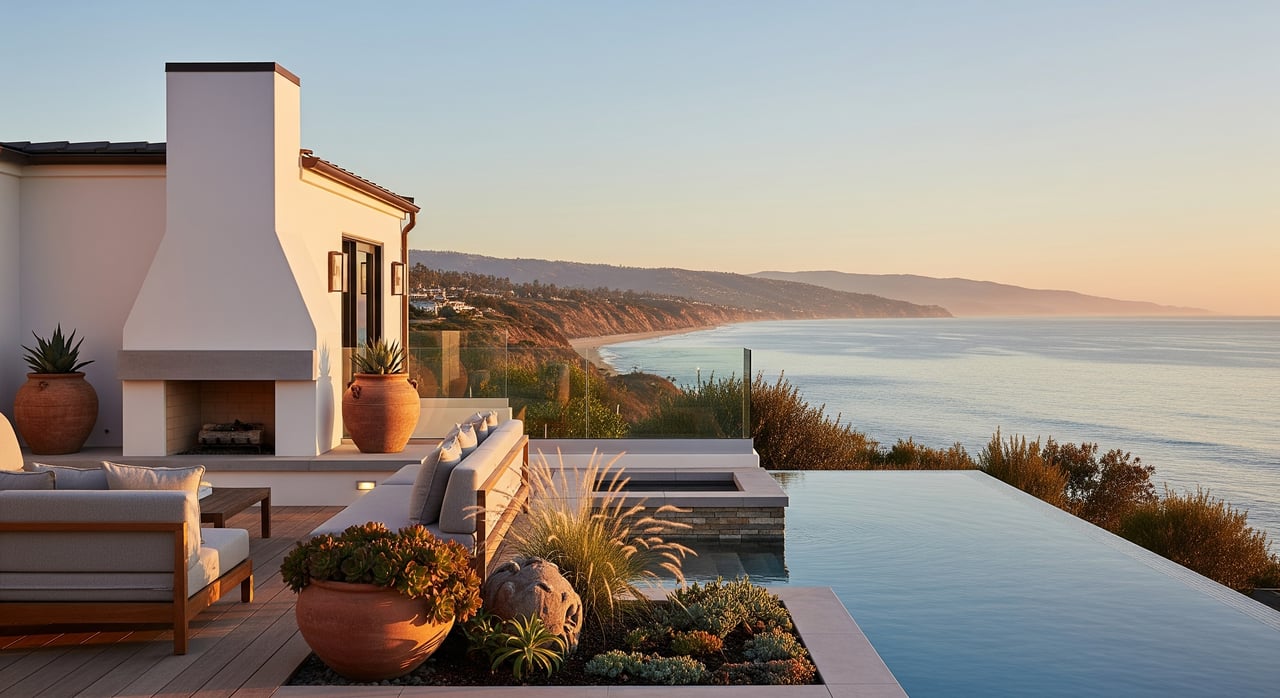
What if you could live by the coast, step out for coffee in a true village center, and hit a canyon trail before lunch? If Pacific Palisades is on your shortlist, you are already picturing that balance. You want a neighborhood with access to beaches and mountains, a polished retail core, and quality homes that hold long-term appeal. In this guide, you will learn how Pacific Palisades lives day to day, what kinds of homes you will find, and the practical details that matter when you buy on the coast. Let’s dive in.
Where it sits and how it flows
Pacific Palisades sits between Santa Monica and Malibu at the foot of the Santa Monica Mountains. Pacific Coast Highway runs along the shoreline, while Sunset Boulevard cuts through the neighborhood east to west. The setting blends bluff-front vistas, canyon pockets, and a compact village core in the flats.
You will hear locals talk about distinct sub-areas such as the Riviera, Castellammare and bluff enclaves, Huntington and Marquez, Rustic Canyon, the Palisades Highlands, and the Palisades Village area. Each offers a slightly different daily rhythm. The Riviera and bluff areas lean into dramatic ocean outlooks, while the village and canyon streets feel more intimate and close to shops and parks.
Lifestyle and daily rhythm
The heart of daily life centers on Palisades Village, a thoughtfully designed retail and gathering space. You can stroll to boutiques, morning coffee, casual lunches, and dinners without getting in the car. It is a rare, walkable hub that anchors the neighborhood’s community feel. Explore the tenant mix and events on the Palisades Village site.
Groceries and services are close at hand, with specialty options nearby and larger stores a short drive toward Santa Monica or Brentwood. For healthcare, you are within a short drive of Westside hospitals and urgent care centers, including UCLA Medical Center in Santa Monica.
Dining trends here lean local and polished rather than late-night. You can plan an easy dinner in the village, meet friends for a weekend brunch, or head down to the coast for sunset after a meal. Most residents keep evenings relaxed, with more robust nightlife a short drive away in Santa Monica.
Outdoor access and beaches
If you love the outdoors, you will use the local trail network often. The Santa Monica Mountains offer hiking with sweeping ocean views, from Los Liones to Temescal Canyon and Rustic Canyon. For a wider overview of trail systems and recreation access, start with the Santa Monica Mountains National Recreation Area.
Will Rogers State Historic Park adds equestrian areas, picnic lawns, and classic canyon routes that work for morning hikes or family outings. You can learn more about hours and features at Will Rogers State Historic Park. Down the hill, Will Rogers State Beach and neighboring stretches of coastline are close for walks, surfing, or just unwinding by the water.
What you will find in homes
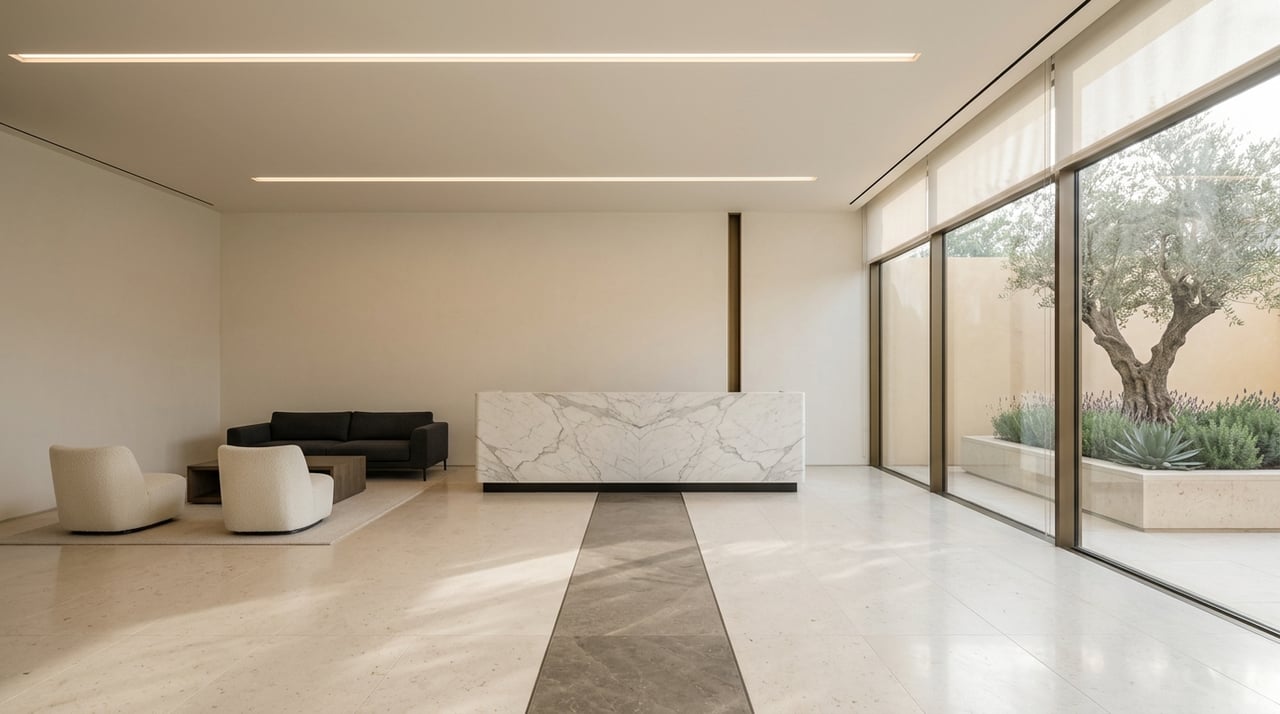
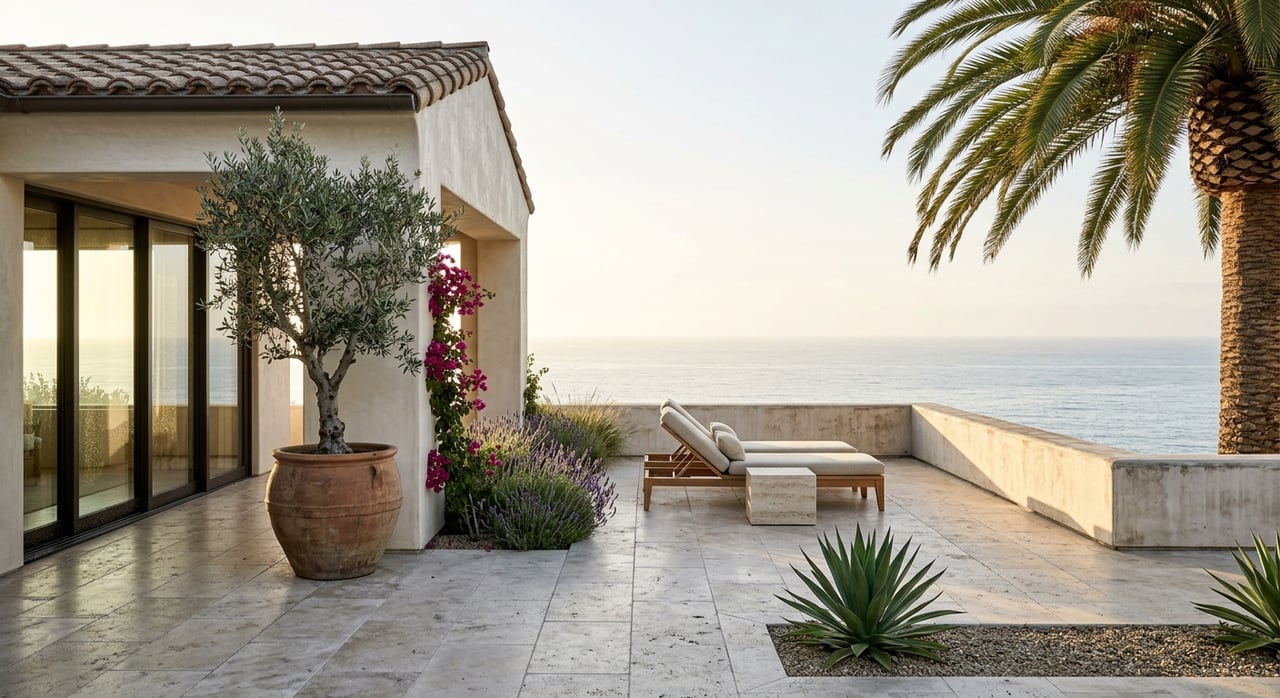
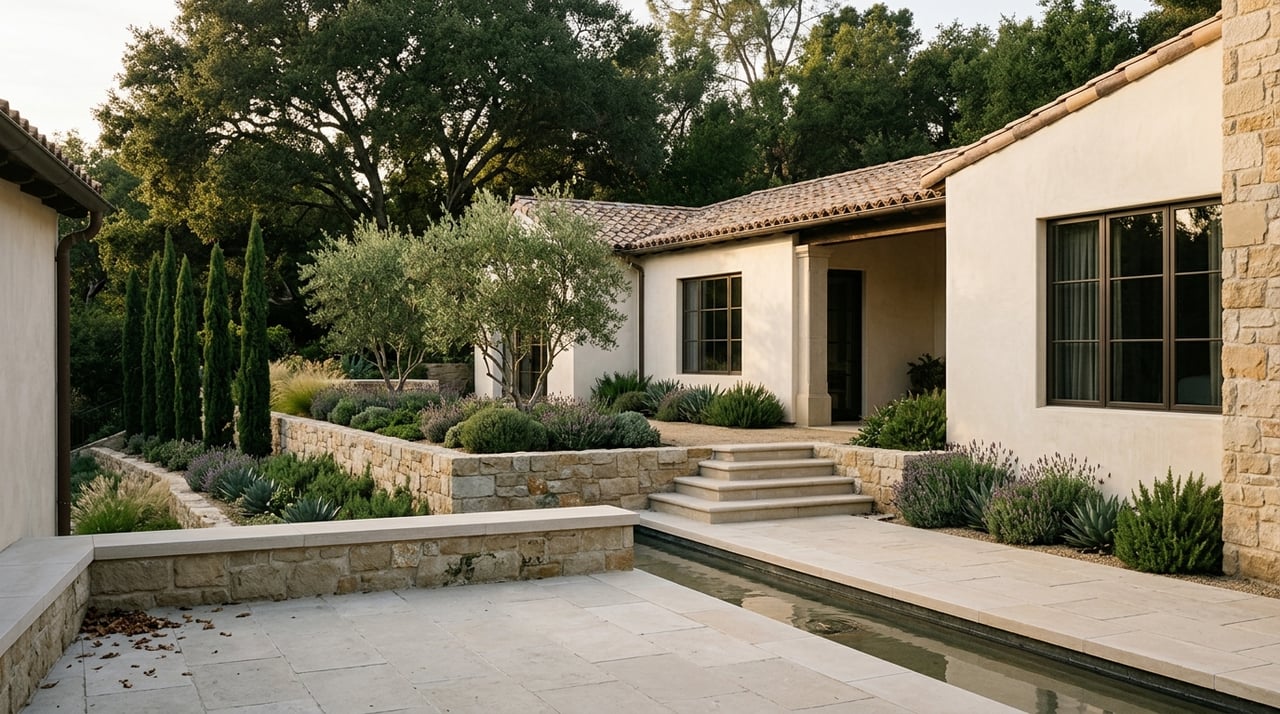
Pacific Palisades is predominantly single-family, with styles ranging from classic ranch and Spanish to modern and mid-century. Bluff-front and ocean-view estates in areas like the Riviera and Castellammare carry notable premiums due to outlooks and lot position. Hillside streets often deliver panoramic views and privacy with a mix of architectural eras.
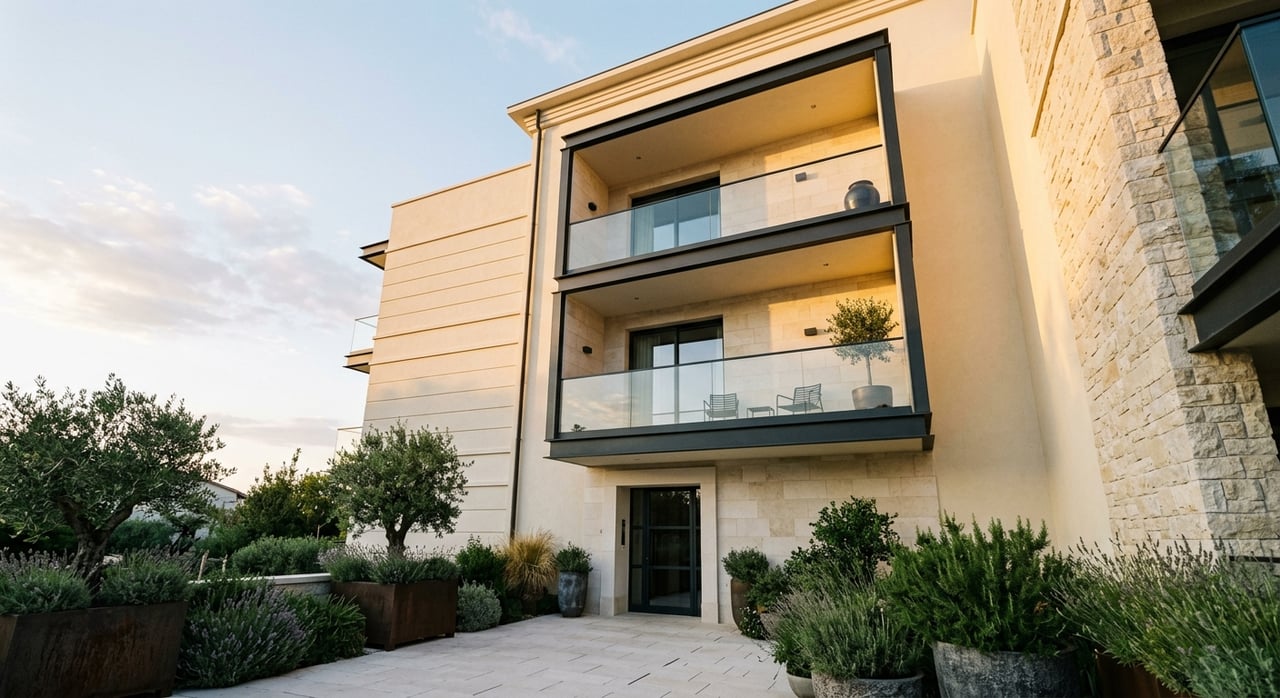
In the flats and canyon areas near the village, you will find traditional single-family homes that appeal to buyers who want proximity to shops and parks. Condominiums, townhomes, and apartments exist but are less common than detached homes. These smaller options cluster near main corridors and the village and can suit downsizers or buyers seeking a lower-maintenance lock-and-go base.
Market dynamics at a glance
Inventory in Pacific Palisades is historically limited, especially for homes with views, privacy, or village adjacency. Desirable listings can draw strong attention and move quickly, with the broader Los Angeles luxury cycle influencing timing. Expect meaningful price differences tied to view corridors, bluff positions, and proximity to the village.
Value drivers you will see repeatedly include:
- Ocean or canyon views and natural light
- Walkability to the village and parks
- Lot size, privacy, and outdoor living potential
- Quality of architecture and high-caliber renovations
Ownership, permits, and coastal factors
The neighborhood’s coastal setting shapes what you can build and how you remodel. Many streets are within the coastal zone or near bluffs. Projects may involve specific reviews and setbacks to protect the shoreline and hillside stability. To understand zoning, overlays, and entitlement steps, begin with the City of Los Angeles Planning Department.
Coastal oversight can apply to new construction and certain remodels, especially for bluff-front, seaward, or sensitive sites. Always plan for lead times and documentation. For background on coastal permits and policies, visit the California Coastal Commission.
Accessory dwelling units are popular additions across Los Angeles. In the Palisades, ADU feasibility can vary due to hillside conditions, lot access, and coastal overlays. Major hillside projects often require geotechnical studies and specialized consultants. Short-term rentals are regulated by the City of Los Angeles, so review current municipal rules if rental income is part of your underwriting.
Schools and education
Public options in the area include Palisades Charter High School, which serves as the main public high school. You can review academic programs, enrollment information, and calendars on the Palisades Charter High School site. Local elementary and middle schools operate under Los Angeles Unified, and some are charter-status schools.
Since attendance zones, enrollment policies, and programs can change, verify details directly with the district. Start with Los Angeles Unified School District for current boundaries and enrollment guidance. Private school choices exist across the broader Westside for families who prefer independent or faith-based options.
Getting around and commuting
Most daily trips in Pacific Palisades happen by car. Commutes to Westside job centers such as Santa Monica, Brentwood, and Century City are manageable relative to cross-town trips. Driving to Downtown Los Angeles or northern Silicon Beach can take longer depending on traffic and time of day.
Public transit exists but is not as comprehensive as in denser parts of the city. Bus lines connect to Santa Monica and other hubs, with rail access available through connections to Metro lines. Walkability is highest around the village; hillside and canyon streets tend to be car dependent.
Risk and insurance considerations
As a coastal and hillside community, the Palisades involves several natural hazard considerations. Bluff-front properties may face erosion risk and strict setback rules. Hillside and canyon areas can be in high fire severity zones and require defensible space and home-hardening measures. Earthquake risk applies across all of Los Angeles, and earthquake insurance is typically separate.
Some streets may have flood or storm run-off exposure. You can review flood zone maps and insurance implications on the FEMA Flood Map Service Center. For bluff and coastal questions, consult relevant guidance from the California Coastal Commission. Plan to order a Natural Hazard Disclosure report, consider specialized inspections such as geotechnical evaluations for hillside or bluff properties, and confirm insurance availability and premiums early in your process.
How it compares to nearby areas
- Santa Monica: More urban amenities and stronger transit links, with a broader mix of housing types. Pacific Palisades offers a quieter, village-centered lifestyle with a larger share of single-family homes.
- Brentwood: Similar Westside appeal and easy access to services. The Palisades adds closer coastal and trail access plus a walkable village core; Brentwood offers more linear shopping corridors.
- Malibu: Iconic beachfront and a more remote feel. Pacific Palisades typically provides quicker access to the rest of Los Angeles while preserving ocean outlooks in many sub-neighborhoods.
Finding your fit and next steps
If you are relocating, start by clarifying how you will use the neighborhood from day to day. Do you want to walk to coffee and school drop-off, watch sunsets from a deck, or live near trailheads for early morning hikes? Your shortlist will narrow as you align location, lot type, and architecture with your lifestyle.
A simple approach:
- Define your daily map: village walkability, trail access, commute windows, and beach time.
- Pick your top value drivers: views, privacy, lot size, or new construction potential.
- Plan feasibility early: permitting and insurance checks are critical for coastal and hillside homes.
- Tour across sub-neighborhoods to feel changes in light, topography, and street character at different times of day.
When you want a tailored plan and on-the-ground insight, connect with Neyshia Go to Schedule a Confidential Consultation. You will get a clear path through inventory, permitting, inspections, and negotiation so you can move with confidence.
FAQs
Is Pacific Palisades walkable for daily errands?
- Walkability is strongest around Palisades Village, while most hillside and canyon streets are car dependent for daily errands.
What types of homes are common in Pacific Palisades?
- The area is mainly single-family homes, from bluff and hillside estates with views to traditional homes near the village; condos and townhomes exist but are less common.
How do public schools work in Pacific Palisades?
- Students are served by Los Angeles Unified, with Palisades Charter High School as the main public high school; always verify boundaries and enrollment with LAUSD and school sites.
What permits apply if I remodel near the coast?
- Projects may require City of Los Angeles permits and, in coastal zones or bluff areas, review under California Coastal Commission policies; plan for added lead time and specialized consultants.
What natural hazards should buyers plan for?
- Typical concerns include bluff erosion, wildfire exposure in hillside and canyon areas, earthquake risk, and potential flood zones; review NHD reports, insurance options, and consider geotechnical inspections.
How does commuting compare to nearby Westside areas?
- Drives to Santa Monica, Brentwood, and Century City are relatively convenient, while trips to Downtown or northern Silicon Beach can take longer depending on traffic and time of day.