What draws you to Montecito is likely the same thing that inspires the world’s most discerning buyers: rare land, architectural pedigree, and total privacy within minutes of the Pacific. Yet not every impressive home is a true “trophy.” If you want to identify the properties that stand apart, you need clarity on where they are, what defines them, and how to purchase with confidence in a market that often trades quietly. In this guide, you’ll learn how Montecito’s trophy estates are defined, which enclaves matter most, and the due diligence that protects your investment. Let’s dive in.
What a trophy estate means in Montecito
Industry professionals use “trophy” to describe one‑of‑a‑kind properties valued for scarcity, provenance, and lifestyle. Think legacy assets rather than simple comparables. As RISMedia explains, these homes command attention because of irreplaceable land, design pedigree, scale, and amenities that elevate daily life.
In Montecito, those traits translate into measurable hallmarks:
- Land and setting: Estate parcels often start near 1 acre and extend to multi‑acre compounds, with some holdings reaching 10 to 20 plus acres in select foothill and coastal stretches. The Golden Quadrangle is especially known for large, view‑driven parcels. Mansion Global highlights how elevation and sun exposure amplify desirability here.
- Built scale: Trophy main residences commonly range from roughly 5,000 to more than 15,000 square feet, often with guest houses and ancillary structures.
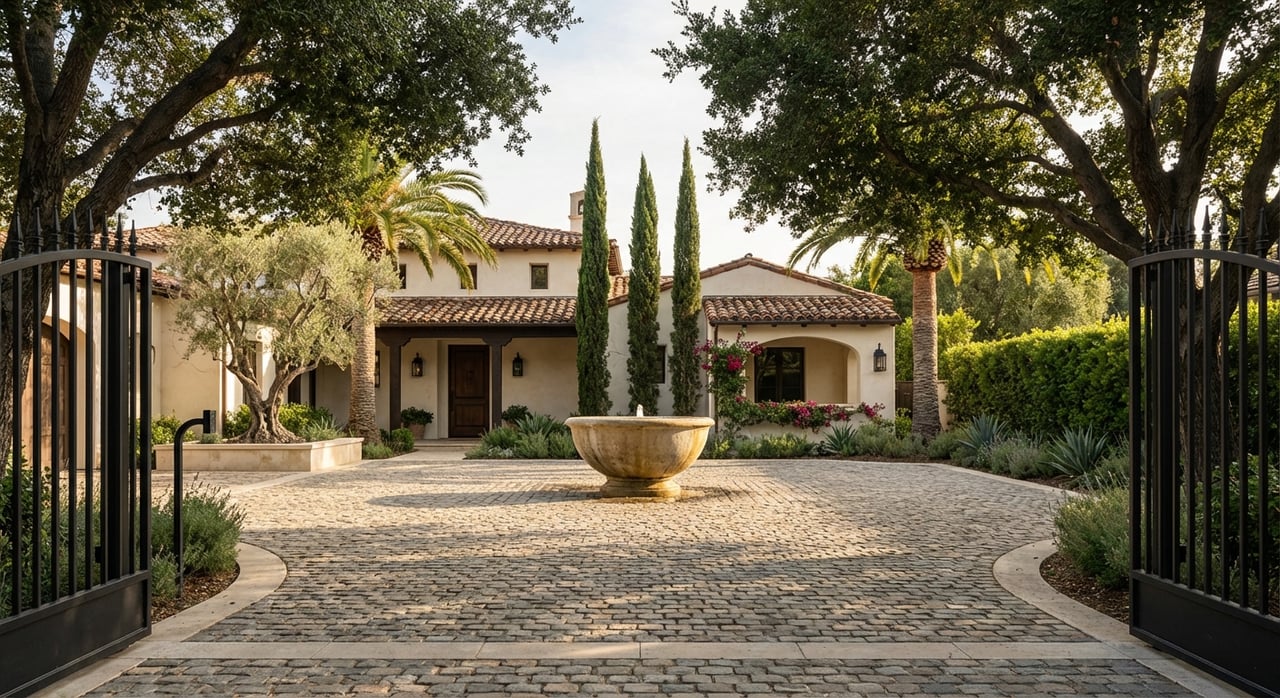
- Privacy and approach: Gated entries, long motor courts, and mature hedgerows are standard. Confidentiality is a feature, not an afterthought.
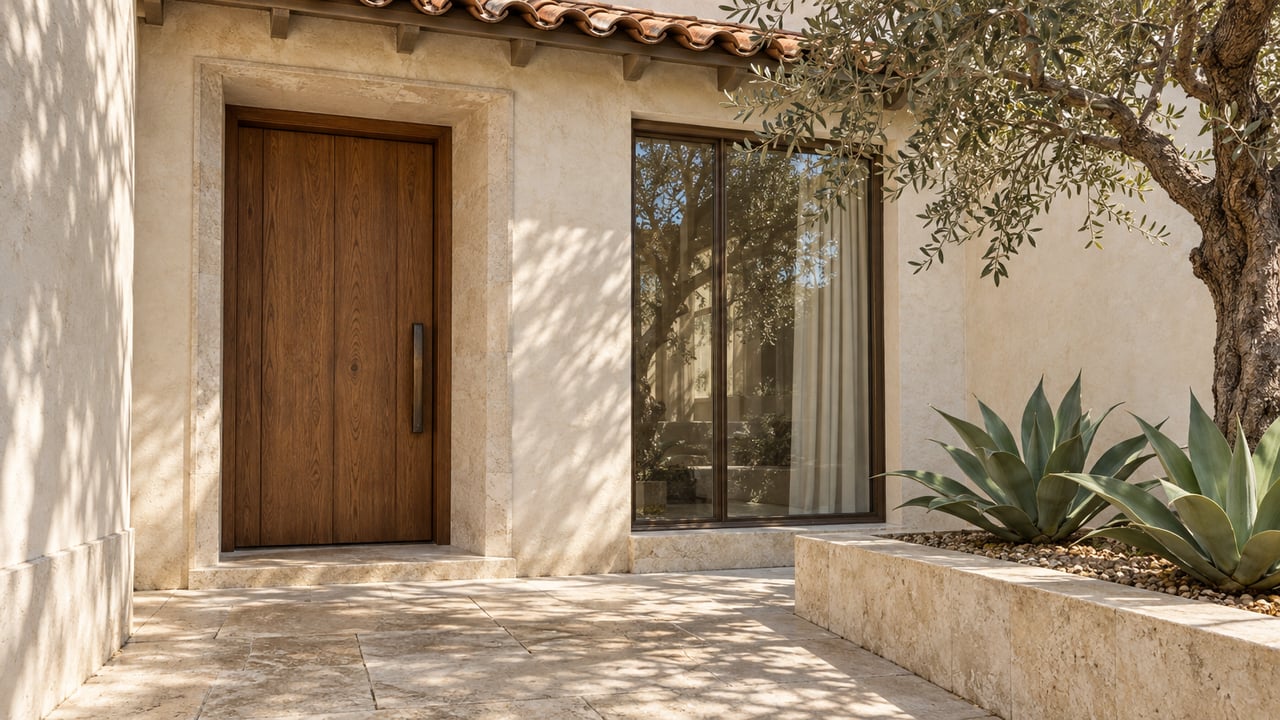
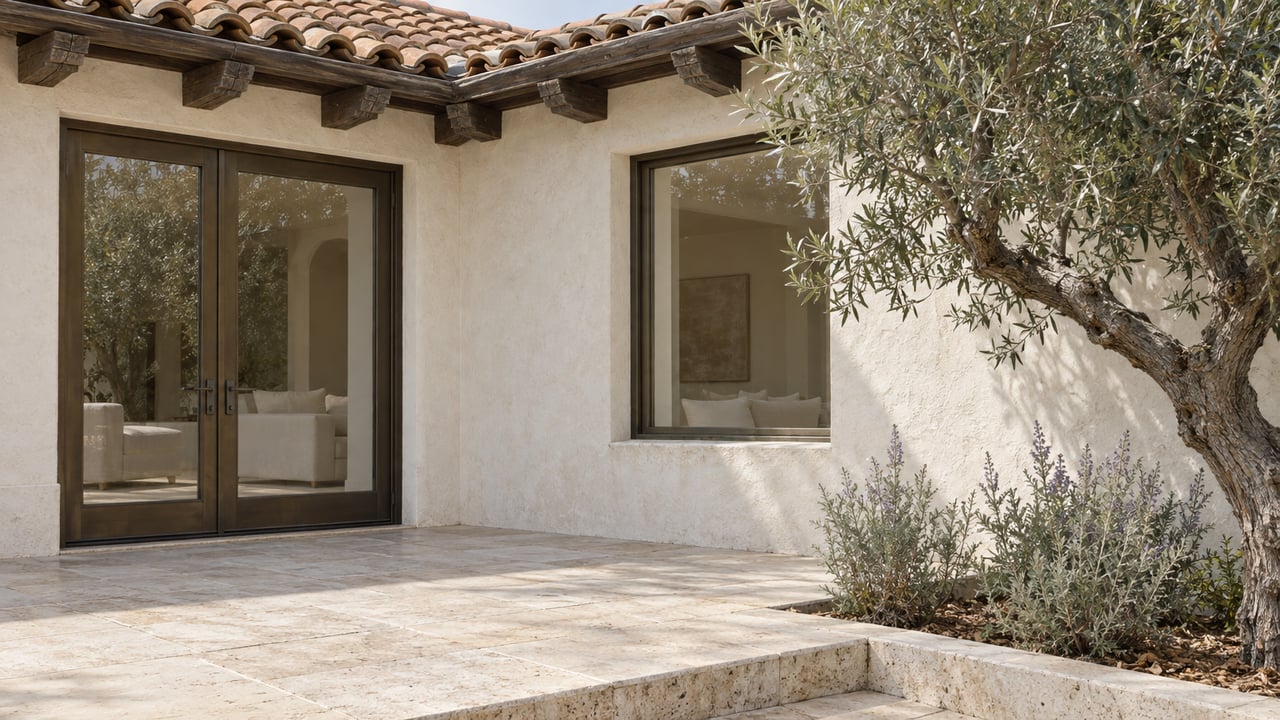
- Architecture and provenance: Spanish Colonial and Andalusian revival by notable architects, Mediterranean estates, and high‑end modern compounds are prevalent. Attribution and restoration quality materially influence value.
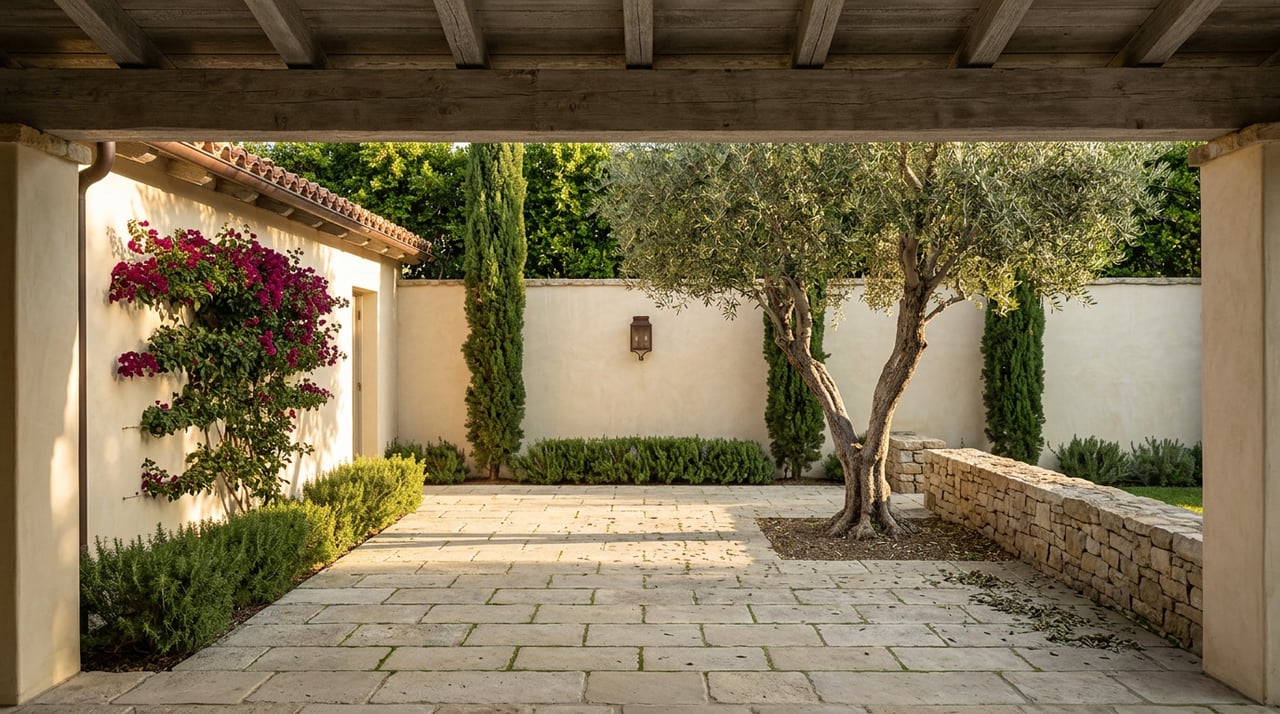
- Lifestyle amenities: Formal gardens, long pools, tennis, wine cellars, guest and staff quarters, and access to private beach or view easements are common. These features also shape ongoing staffing and operations.
The Golden Quadrangle
The Golden Quadrangle is Montecito’s core estate territory. Roughly north of East Valley Road and framed by Hot Springs Road to the west and Park Lane/Buena Vista to the east, it rises toward East Mountain Drive. According to Mansion Global’s profile of the area, buyers prize this zone for sun, elevation, and a concentration of architecturally significant homes on expansive lots.
Here you’ll find a blend of 1920s–1930s Spanish revival estates and newer modern compounds, many with ocean and mountain vistas. Proximity to the Upper Village and neutral access to local public schools, including Montecito Union School, adds day‑to‑day convenience. Listings and sales here routinely sit in the ultra‑luxury bracket, with multi‑acre properties reaching into the highest tiers of pricing.
Hidden enclaves and gated communities
Hedgerow and Montecito Oaks
Closer to the Lower Village, the Hedgerow and Montecito Oaks areas mix historic cottages and estate‑style grounds, often behind tall privacy hedges that define the streetscape. You enjoy quick access to Coast Village Road and Butterfly Beach while retaining a secluded feel behind layered landscaping.
Birnam Wood Golf Club
If club living is a priority, Birnam Wood is a private, owner‑member golf community anchored by a Robert Trent Jones Sr. course. Membership policies and offerings are set by the club; review current details directly with Birnam Wood Golf Club when evaluating a purchase. Single‑level estate homes and golf‑front lots are common here.
Ennisbrook
Ennisbrook is a gated estate community with amenities and larger lots behind security. It frequently appears on shortlists for buyers who want the feel of an estate neighborhood coupled with a defined, amenitized environment.
Riven Rock
Set in the foothills, Riven Rock features historic parcels and generous setbacks born from an earlier era of estate subdivision. The Montecito Journal’s neighborhood overview highlights its distinctive history and landscape.
Coastal corridor: beachfront and blufffront
Montecito’s narrow coastal band offers something the uplands cannot: immediate proximity to the sand. The Miramar and Butterfly Beach corridor places you near the Rosewood Miramar and Coral Casino, with a walkable link to beaches, dining, and the Lower Village. Lot sizes are generally smaller than upland estates, but the lifestyle is uniquely coastal.
Farther east toward Fernald Point, Padaro Lane, and Toro Canyon, you encounter an extremely limited inventory of beachfront and blufffront parcels. When an offering surfaces, linear frontage and site orientation heavily influence value. Supply is thin, and competition for prime frontage is strong.
How to navigate an ultra‑private market
At the trophy level, discretion is the norm. A meaningful share of transactions occur off market, which means you cannot rely on public listing portals alone. The result is a landscape where relationships, preparation, and speed matter as much as dollars.
Here is how you can position yourself to win:
- Know the micro‑neighborhoods. Broker conventions shape names and boundaries, and lines can be fuzzy. When you are mapping a specific property, cross‑verify with more than one local reference to confirm context and comps.
- Target fit over volume. Ultra‑high‑net‑worth buyers typically prioritize privacy, security, turnkey operations, and guest accommodations. Focus your search on properties that solve for those needs rather than chasing every new listing.
- Be offer‑ready. Quiet deals often reward buyers who can move quickly with clean terms and verified proof of funds.
Essential due diligence: hazards and history
Natural hazards are a non‑negotiable part of Montecito due diligence. The January 9, 2018 post‑fire debris flows caused 23 fatalities and extensive property damage. The USGS event analysis documents inundation dynamics that differ from typical river flooding.
A critical point for buyers: FEMA’s flood maps do not fully capture debris‑flow risk on alluvial fans. Peer‑reviewed work in Frontiers in Environmental Science explains how technical debris‑flow mapping provides a better lens for this hazard than standard floodplain tools. Review the Frontiers analysis on mapping and policy as part of your education.
Build your due diligence file before you commit:
- Hazard layers: Check debris‑flow and related hazard maps, then consult site‑specific geotechnical reports where appropriate.
- Insurance: Confirm availability and scope for flood, landslide, and debris‑flow coverage. Clarify rebuildability and any mitigation already in place.
- Property history: Pull deed and permit records to confirm transfer history, parcel size, and major improvements or restorations.
- Architecture and provenance: Verify architect attribution and restoration details through credible local archives and documentation.
- Community obligations: In club or HOA settings, confirm membership rules, fees, and any property‑specific conditions prior to offer.
What defines a Montecito trophy: quick reference
Use this short list to evaluate a candidate property:
- Land: 1 to several acres in the hills or a rare beachfront/blufffront site with meaningful frontage.
- Architecture: Recognized architectural pedigree or a high‑caliber modern estate with exceptional execution.
- Privacy: Gated motor court, mature screening, and a discreet approach. Off‑market option history is a plus.
- Scale: Main residence often 5,000 to 15,000 plus square feet, with guest houses and support buildings.
- Lifestyle: Formal gardens, long pool, sport or club facilities, guest/staff quarters, and seamless indoor/outdoor living.
- Risk profile: Clear understanding of debris‑flow context, insurance, and any mitigation work on or near the site.
The bottom line
Montecito’s trophy estates are defined by land, light, and legacy. The Golden Quadrangle concentrates large, pedigreed compounds with view corridors, while nearby gated enclaves and the coastal corridor offer distinct versions of privacy and lifestyle. To buy well, you need a precise search, strong due diligence, and a plan for a market where the best opportunities often trade quietly. For a confidential, highly tailored approach that leverages global reach and local discretion, connect with Neyshia Go.
FAQs
What is a “trophy estate” in Montecito?
- A scarce, architecturally significant property on exceptional land with privacy, scale, and lifestyle amenities, consistent with the definition described by RISMedia and applied to local market norms.
Which Montecito neighborhood has the most large estates?
- The Golden Quadrangle concentrates many of the area’s largest, most pedigreed estates on elevated lots with sun exposure and views, as profiled by Mansion Global.
How do coastal properties compare to upland estates?
- Coastal homes offer proximity to the sand and walkability, while upland estates in the hills trade for larger parcels, greater privacy, and broader view corridors.
What should I know about Montecito’s hazard history?
- The 2018 debris flows are a key risk context; debris‑flow mapping and site‑specific analysis provide a better lens than standard flood maps, per USGS and Frontiers research.
How common are off‑market sales at the top end?
- Very common; discretion is a hallmark of Montecito’s ultra‑luxury segment, so private showings and quiet transactions are part of a typical search strategy.
What is unique about Birnam Wood Golf Club purchases?
- Birnam Wood is a private, owner‑member golf community; buyers should verify current membership policies, fees, and home‑specific obligations directly with the club prior to purchase.
Do architectural pedigree and restorations affect value?
- Yes; attribution to recognized architects and documented, high‑quality restorations are material valuation drivers in Montecito’s trophy segment.