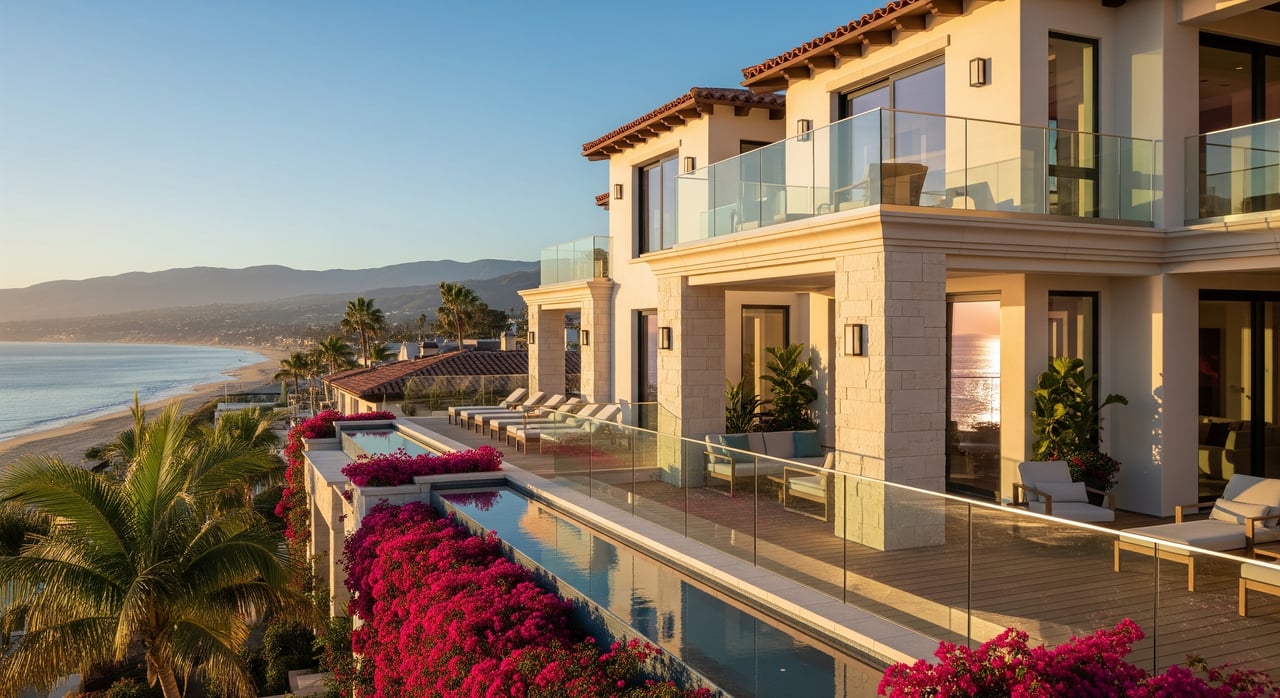
You know Santa Barbara sells a dream, but launching a luxury condo project here takes more than great views and a strong pro forma. Tight design controls, scarce coastal land, and a discerning buyer pool reward thoughtful strategy and disciplined execution. In this guide, you’ll get a practical blueprint for pre‑sales, pricing, model‑unit programming, buyer outreach, risk management, and milestone tracking tailored to Santa Barbara. Let’s dive in.
Santa Barbara market context
Santa Barbara’s luxury demand is fueled by high incomes, a desirable coastal lifestyle, and limited developable land. You also benefit from second‑home appeal and steady interest from Los Angeles and Bay Area buyers. International capital shows in cycles, so calibrate your plan to current sentiment and currency trends.
Condo dynamics differ from single‑family. Absorption at the top end can be slower, and buyers scrutinize finishes, services, HOA costs, and views. Validate months of inventory and price per square foot in your micro‑location before locking pricing.
Use a comp set that matches view orientation, building vintage or construction quality, amenity level, and deeded parking or storage. Pull recent closings from local MLS and the county recorder to support premiums in your pricing matrix.
Regulatory checkpoints to plan
Santa Barbara’s design and coastal controls shape your timeline and product. Plan for:
- Design review and compatibility. Expect detailed review of façade, height, massing, and materials by city design authorities. Local architects with Santa Barbara experience can streamline approvals.
- Coastal zone exposure. If you are in the coastal zone, a Coastal Development Permit may be required. Policies around public access, visual resources, and view corridors can affect setbacks and massing.
- Environmental review. CEQA or streamlined alternatives can add time and mitigation costs. Scope traffic, biological, archaeological, and cultural issues early to avoid surprises.
- Parking and EV. Municipal ratios and EV charging requirements directly influence unit mix, buyer appeal, and premiums for additional spaces.
- Short‑term rental rules. City and county ordinances, plus HOA policies, affect occasional rental flexibility. Verify allowable uses and align governing documents accordingly.
- Condominium map and HOA formation. Sales close after map recording and completion. Coordinate with counsel, title, and lenders on timing, reserves, and HOA budget readiness.
Build these checkpoints into your critical path and communications with buyers to protect credibility and price integrity.
Phased pre‑sales that build momentum
A disciplined release cadence reduces risk and supports firm pricing. A four‑phase approach works well:
- Phase 0, planning and validation. Conduct confidential soundings with top local brokers and selective national luxury partners. Seek nonbinding expressions of interest to calibrate floorplan demand and view premiums.
- Phase 1, broker preview and VIP launch. Release a reserved tranche to priority brokers and buyer lists. Focus on marquee units with rare views or floorplans, and lock early deposits that signal market acceptance.
- Phase 2, public launch and model opening. Open the sales center, publish the full pricing matrix, and activate digital and PR campaigns. This is the moment to showcase your furnished hero model.
- Phase 3, staged releases. Tie additional inventory releases to construction milestones or targeted presale thresholds. Controlled scarcity protects pricing and absorption.
Lenders commonly expect meaningful presales. As a planning range, target 30 to 50 percent presold before securing construction financing, then confirm exact thresholds with your selected lenders.
Pricing matrix that holds under pressure
A transparent, rules‑based matrix keeps your team aligned and protects margins. Anchor it with base price per square foot by plan and finish level, then layer premiums and policies:
- View orientation. Quantify ocean, mountain, and city view premiums using local comps. Unobstructed coastal views often command the highest uplift.
- Elevation and corners. Apply premiums for penthouses, roof levels, and corner exposures that increase light and privacy.
- Outdoor space. Assign a clear rate for terraces, wrap decks, and private gardens, and disclose how outdoor square footage is counted.
- Parking and storage. Price additional deeded spaces and lockers. In constrained submarkets, these items carry outsized value.
- Finish tiers and options. Offer two to three curated tiers with smart home integrations and high‑quality appliances. Price options with a simple calculator the sales team can use live.
- Escalation logic. Document how long pricing is honored after LOI, rules for re‑offers, and any price protection for early buyers.
- Concessions policy. Define the narrow band of allowable incentives, approval thresholds, and when to use closing credits versus finish upgrades.
Deliverables should include a spreadsheet with premiums by attribute and a comp‑based memo justifying each schedule. Keep measurement definitions consistent, including how you treat net versus gross area and outdoor space.
Deposits, contracts, and buyer protections
Luxury buyers expect clarity and professionalism. Structure contracts to balance certainty with sensible protections:
- Staged deposits. Many projects collect 5 to 10 percent at contract, then additional deposits that total 10 to 30 percent before completion. Adjust depth to deter speculative offers while keeping velocity.
- Escrow and refunds. Hold deposits in a trust account and define refund triggers tied to contingencies, financing, or document review.
- Closing mechanics. If the condo map is not yet recorded, set clear timelines and milestone protections for both sides. Align with construction lenders on any warranty escrows or reserve requirements.
- Contingency windows. Provide review periods for CC&Rs, bylaws, HOA budgets, construction schedules, and special assessments.
- Assignment policy. Decide early whether to allow assignments. Many institutional sellers restrict or control them to manage speculation.
- Buyer qualifications. Require proof of funds or lender preapproval for non‑cash purchases. For international buyers, coordinate on tax, title, and entity considerations.
Engage experienced local real estate and HOA counsel early to draft agreements, CC&Rs, and sales policies that withstand scrutiny.
Financing alignment and lender readiness
Condo construction financing is conservative. Lenders want credible presales, an experienced GC, and a realistic budget with contingencies. Prepare a finance package that highlights:
- Presale strategy and targets. Show how you will achieve the 30 to 50 percent presale range before vertical construction or key draw milestones.
- Team credentials. Present your developer track record, GC qualifications, and the sales team’s program for outreach and conversion.
- Reserves and HOA planning. Outline reserve accounts, warranty escrows, and first‑year HOA funding so lenders see a stable operating plan.
Meet with regional banks and national condo lenders early to calibrate thresholds and term sheets to your release cadence.
Model unit and sales center that sell
Your model is a proof point, not just a showcase. Program it to answer buyer questions and accelerate decisions:
- Select the right models. Pair a furnished hero unit with one smaller plan to broaden appeal. Demonstrate indoor‑outdoor flow, entertaining zones, and storage.
- Build a purpose‑built sales center. Include a reception area, private meeting room, a contract room, large renderings, a finish sample wall, an interactive floorplan configurator, and a library of HOA docs and comps.
- Train for consistency. Equip the team to explain the pricing matrix, release schedule, and negotiation policies. Publish broker co‑op rules and compensation clearly.
Use high‑quality visualization and VR for buyers who cannot tour in person during early phases.
Design, finish, and sustainability choices
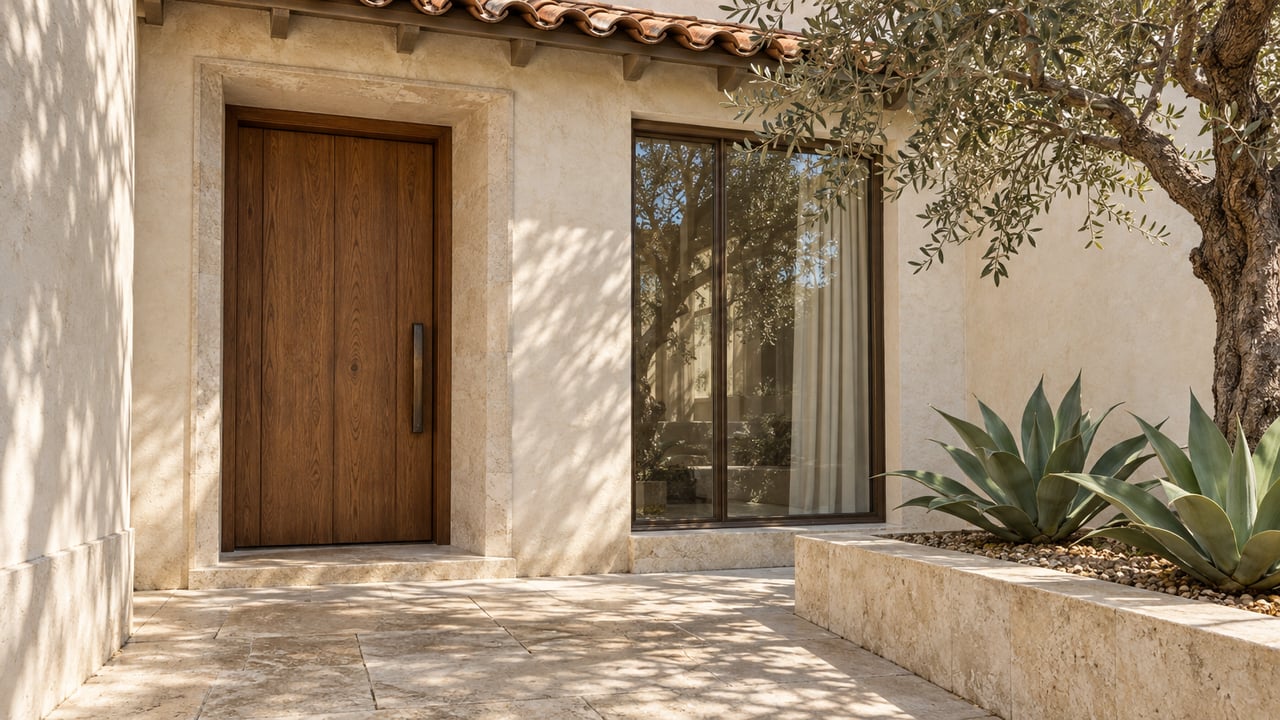
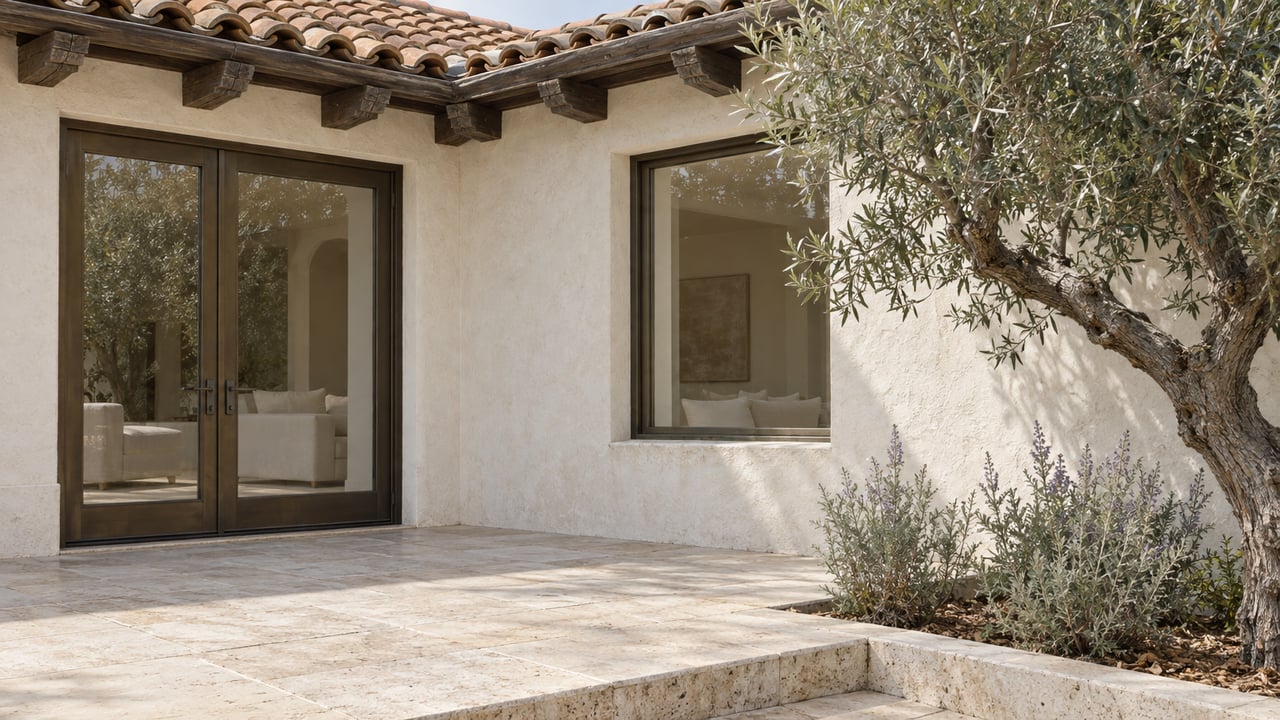
Local design literacy matters. Santa Barbara buyers respond to Spanish Colonial, Mediterranean, and refined contemporary coastal vernaculars that align with neighborhood context.
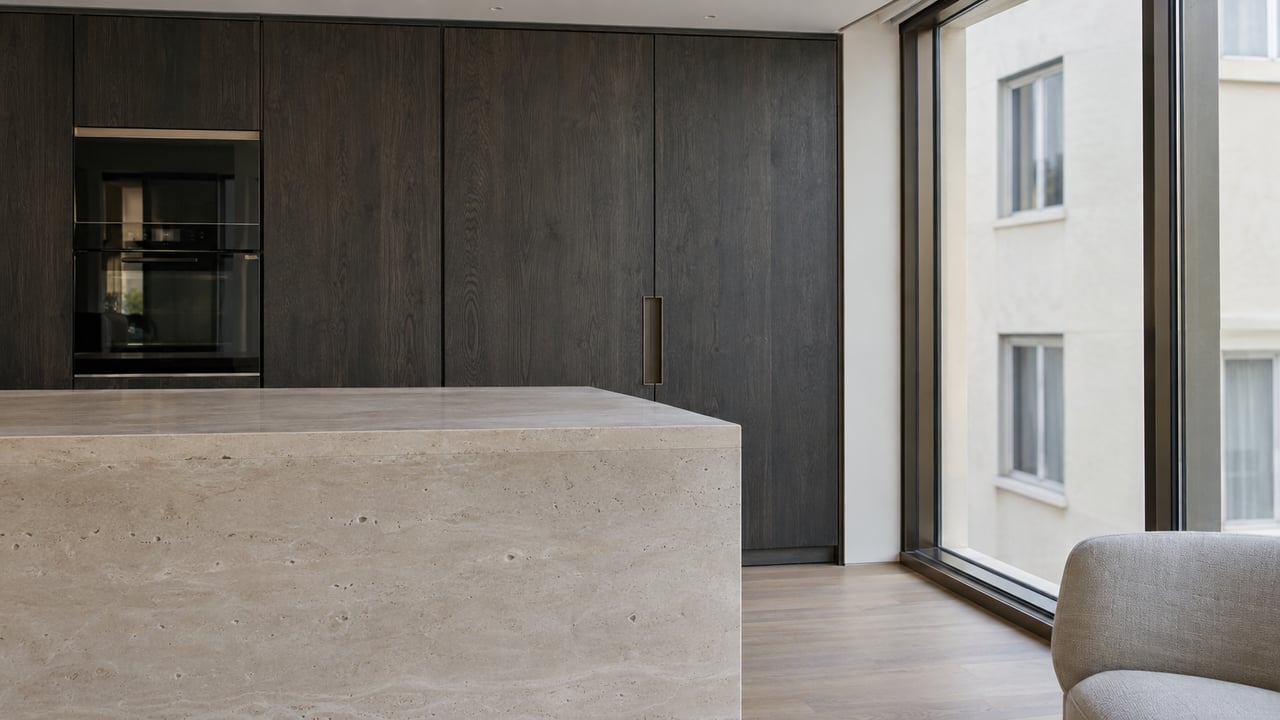
Create two to three finish tiers that balance base value with upgrade pathways. Emphasize engineered hardwoods, premium appliances, quality plumbing fixtures, and integrated smart systems.
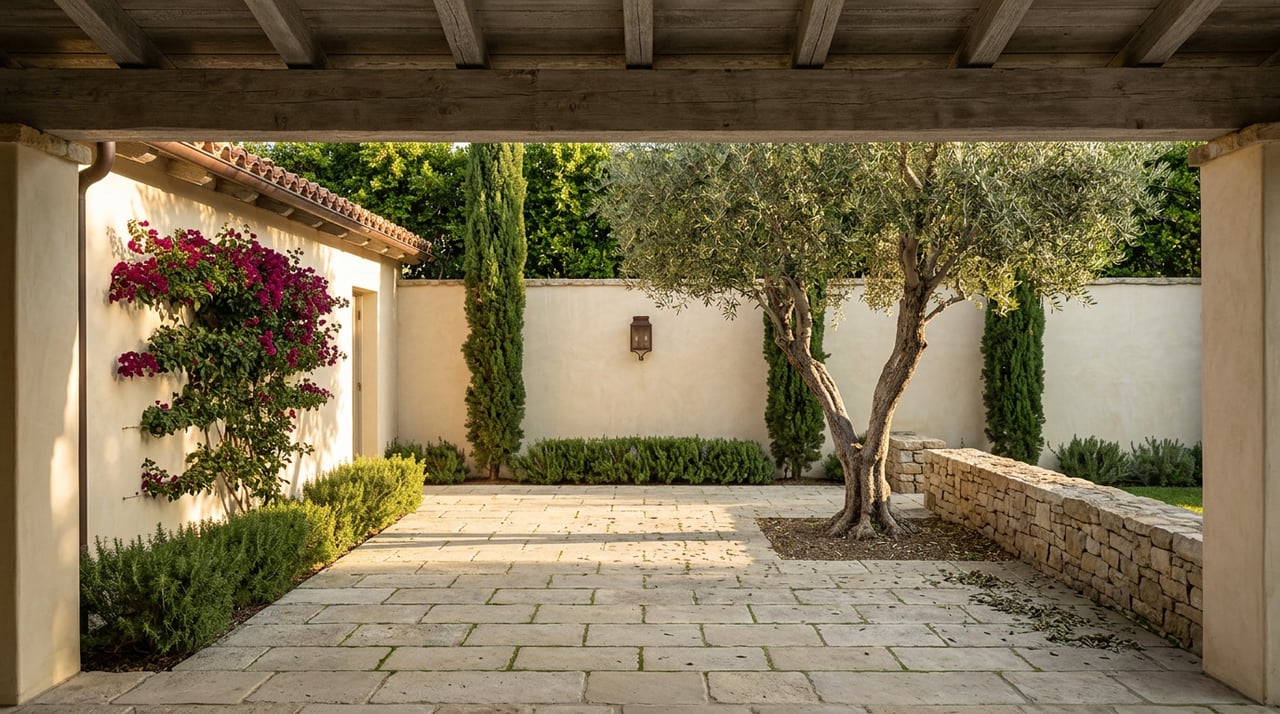
Sustainability is now standard. Highlight EV charging, high‑efficiency HVAC, drought‑tolerant landscaping, solar readiness where feasible, and resilient exterior materials. Communicate performance benefits and potential operating cost savings.
Amenities that buyers value
Program amenities with a clear view of HOA costs and your buyer mix. High‑value options include:
- Concierge service or a 24‑hour front desk for security and convenience.
- Rooftop lounge, fire pits, and view terraces to amplify the setting.
- Fitness studio and dedicated yoga or HIIT rooms, with a small spa or sauna if scale supports it.
- Secure bike storage, EV charging, deeded parking, and private storage lockers.
- Guest suites that accommodate second‑home owners’ visitors.
- Private wine storage or cool lockers for lifestyle alignment.
- Pet wash or pet spa, on‑site management, and private meeting spaces.
Prioritize amenities that drive sales and perceived value while keeping dues within market expectations.
Targeted outreach that reaches real buyers
A luxury launch in Santa Barbara succeeds on precision. Focus on segments most likely to transact and tailor the message to each.
Buyer segments and messaging
- Local ultra‑affluent downsizers who want lock‑and‑leave living, privacy, and services.
- Bay Area and Los Angeles second‑home buyers from tech, media, and professional sectors.
- Select East Coast and Mountain West buyers seeking a California coastal lifestyle.
- International buyers from Europe, Canada, the Middle East, and Asia, with messaging that balances lifestyle and scarcity.
Lead with lifestyle, architectural pedigree, concierge services, sustainability, and the story of scarcity in a tightly regulated market.
Broker network and partnerships
Partner with top local Santa Barbara agents and regional luxury brokerages in Los Angeles and the Bay Area. Leverage established global luxury networks for international reach. Host broker previews, offer tiered incentives for early closes, and run invitation‑only FAM trips for key feeder‑market partners.
PR, events, and private activations
Time VIP events with the local cultural calendar. Pair with lifestyle brands for curated experiences, such as architecture tours or wine dinners. Target regional business press, luxury lifestyle outlets, and international real estate sections for earned media.
Digital marketing and portals
Use high‑end creative on visual platforms and target programmatic campaigns in feeder markets. Build SEO content that emphasizes architecture, views, neighborhood lifestyle, and services to educate buyers beyond price.
International buyer readiness
Prepare for AML and KYC requirements, entity purchases, and title insurance considerations. Align your escrow and tax advisors on FIRPTA implications for foreign sellers and ensure your HOA documents accommodate entity buyers.
Risks, KPIs, and timeline anchors
Every project carries execution risk. Plan for the most likely variables and track the right signals.
Key risks and mitigations
- Entitlement or CEQA delays. Start community outreach and specialist studies early to narrow scope and timeline.
- Price mispositioning. Validate with broker panels and adjust tranche sizes, not headline prices, to protect margins.
- Cost escalation. Build conservative contingencies and seek fixed‑price GC contracts where feasible.
- Slow absorption. Budget for a longer runway, keep presale targets conservative, and stagger releases.
- HOA cost surprises. Model operating expenses with sensitivity for staffing, utilities, and insurance.
- Regulatory shifts. Monitor city and county proceedings, especially around short‑term rentals and parking.
KPIs to manage weekly
- Presales percentage by units and dollar volume.
- Average price per square foot and realized premiums against the matrix.
- Absorption rate and months to sell remaining inventory.
- Lead‑to‑contract conversion by broker and by source.
- Cycle time from contract to deposit to close.
- Marketing cost per qualified lead and event attendance.
- HOA expense projections versus budget.
Illustrative timeline
- T‑18 to T‑12 months. Entitlement submissions, design review, broker soundings, schematic model planning.
- T‑12 to T‑6 months. Soft launch, broker previews, secure initial presales to meet financing thresholds, finalize loan terms.
- T‑6 to T0 months. Open model and sales center, public launch, publish full pricing matrix, release primary tranche.
- T0 to T+24 months. Construction, staged releases tied to milestones, sustained outreach, and closings as units record.
How The Go Group supports your launch
You want a sales partner that pairs boutique curation with institutional execution. The Go Group delivers a project‑sales platform built for luxury condos in Santa Barbara and Los Angeles. You get:
- Data‑driven pricing and release strategy, with broker advisory panels and comp‑based premium schedules.
- High‑impact presentation, including hero renderings, model‑unit programming, and a purpose‑built sales center plan.
- Global buyer reach through a proven luxury network, plus targeted digital, PR, and broker activations in key feeder markets.
- Metrics‑based operations that track presales, absorption, and premium realization so you can adjust in real time.
If you are calibrating a launch or re‑positioning mid‑stream, we are ready to help you move decisively and protect price integrity.
Ready to map your Santa Barbara launch with a seasoned project‑sales partner? Connect with Neyshia Go to Schedule a Confidential Consultation.
FAQs
What presale percentage do lenders expect for Santa Barbara condos?
- Market practice often targets 30 to 50 percent presold before construction financing, though you should confirm thresholds with your chosen lenders.
How can Coastal Commission rules affect my condo project?
- If you are within the coastal zone, you may need a Coastal Development Permit, and policies on public access and visual resources can influence setbacks, view corridors, and massing.
Which amenities deliver the best ROI in luxury condos?
- Concierge service, rooftop view spaces, secure parking with EV charging, fitness facilities, guest suites, and private storage often rank high, but always weigh HOA cost impact.
How should I structure deposits for new‑construction condo sales?
- Many luxury projects use staged deposits that total 10 to 30 percent before completion, with funds held in escrow and clear refund triggers tied to contingencies and document review.
What KPIs matter most during a luxury condo launch?
- Track presales percentage, price per square foot, realized premiums versus your matrix, absorption rate, lead‑to‑contract conversion, cycle times, and marketing cost per qualified lead.
When should I open the model unit relative to launch?
- Open the furnished model and sales center for the public launch phase so prospects can experience the product as you release the broader tranche.
Are short‑term rentals allowed in Santa Barbara luxury condos?
- City and county policies, plus HOA rules, govern short‑term rentals. Verify the regulatory framework and set clear HOA documents early to align buyer expectations.